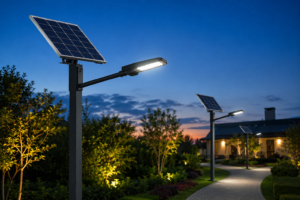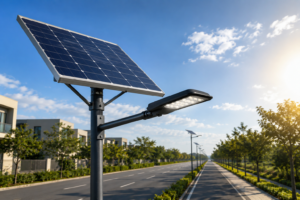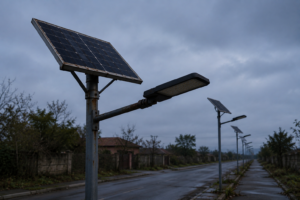
At SolarPath Sun Solutions, we’ve spent nearly two decades mastering the critical science of where to put solar lights for optimal performance. Since 2005, our team has conducted thousands of site assessments across New Jersey and Florida, and we’ve learned that proper placement is the difference between solar lights that barely glow and those that provide exceptional illumination and safety.
The truth is, most property owners make crucial mistakes when deciding where to put solar lights. They focus on aesthetics without considering sun exposure patterns, shadow analysis, or how positioning affects energy absorption. This leads to disappointing performance and wasted investment.
Our certified team specializes in strategic solar lighting placement that maximizes both illumination effectiveness and safety outcomes. As certified members of the International Dark-Sky Association, we understand how to achieve superior glow output while minimizing light pollution and enhancing security across diverse outdoor environments.
Understanding Solar Light Performance Fundamentals
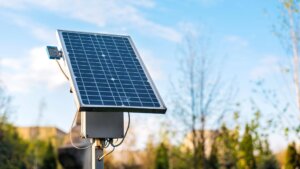
Before determining where to put solar lights, we need to understand what makes them work effectively. Solar lights depend entirely on daytime energy absorption to power nighttime illumination. The positioning you choose directly impacts how much solar energy the panels collect during daylight hours.
We’ve analyzed thousands of installations and found that solar panels need approximately 6-8 hours of direct sunlight for optimal charging. When lights are placed in partially shaded areas, their performance drops significantly. Even a small shadow covering just 10% of a solar panel can reduce energy absorption by up to 50%.
Temperature also plays a crucial role in solar light performance. Panels work most efficiently in moderate temperatures, which is why positioning them away from heat-reflecting surfaces like concrete or metal improves their energy collection capacity.
Strategic Pathway Illumination Placement
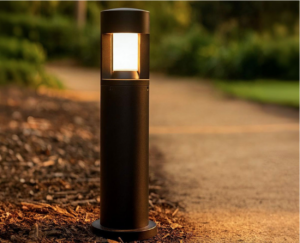
Pathways represent one of the most critical areas when considering where to put solar lights for safety. We recommend positioning pathway lights every 6-8 feet along walking routes to ensure consistent illumination without dark spots that could create safety hazards.
For curved pathways, we place lights on the outside edge of curves where they provide maximum visibility for approaching pedestrians or vehicles. This positioning also ensures the solar panels face optimal sun exposure directions throughout the day.
We always conduct shadow mapping before installing pathway lights. Trees, buildings, and other structures cast shadows that change throughout the day and seasons. Our placement strategy accounts for these variations to ensure consistent performance year-round.
The height of pathway lights matters significantly for both illumination quality and solar panel exposure. We typically recommend mounting heights between 24 and 36 inches, which provides adequate light spread while keeping solar panels above most ground-level obstructions.
Optimal Driveway & Entry Point Positioning
Driveways require special consideration when determining where to put solar lights because they serve both aesthetic and security functions. We position driveway lights to illuminate the entire width of the driving surface while ensuring drivers have clear visibility of entry and exit points.
At driveway entrances, we place lights on both sides of the opening, angled slightly inward to create a welcoming gateway effect. This positioning also ensures that approaching vehicles are clearly visible to anyone inside the property.
For long driveways, we use a staggered placement pattern rather than lining both sides uniformly. This approach provides continuous illumination while reducing the total number of lights needed and preventing the over-illumination that can create glare for drivers.
We always ensure driveway lights are positioned where their solar panels receive unobstructed southern exposure during peak sun hours. This often means mounting them slightly away from the immediate driveway edge, where vehicles or overhead structures might create shadows.
Security Zone Light Placement Strategy
Security applications require the most precise consideration of where to put solar lights because inadequate illumination creates vulnerability rather than protection. We focus on eliminating dark corners and blind spots that could provide cover for unwanted activity.
Motion-sensor solar lights work best when positioned 8-12 feet above ground level, mounted on walls or poles where they can detect movement across a wide area. We angle these lights downward at approximately 30 degrees to maximize coverage while preventing glare that could blind security cameras.
For perimeter security, we create overlapping light coverage zones rather than relying on individual lights to cover large areas. This redundancy ensures that if one light fails or becomes obstructed, adjacent lights maintain security coverage.
We never position security lights where neighboring properties might be affected by light spill. Our International Dark-Sky Association certification means we design security lighting that enhances safety without creating light pollution or neighbor complaints.
Garden & Landscape Accent Positioning
Landscape lighting requires artistic consideration alongside technical expertise when deciding where to put solar lights. We position accent lights to highlight specific features like specimen plants, architectural elements, or water features while ensuring the solar panels receive adequate sun exposure.
For garden lighting, we use the concept of layered illumination, combining different light types at various heights and angles. Path lights provide ground-level safety, while accent lights create visual interest, and spot lights highlight focal points.
Tree-mounted solar lights require special attention to seasonal changes. Deciduous trees that provide minimal shade in winter may completely block solar panels during summer months. We account for these variations in our placement recommendations.
We position garden lights to avoid creating harsh shadows that can make outdoor spaces feel uninviting. Instead, we use multiple smaller lights rather than fewer high-intensity lights to create gentle, even illumination that enhances the natural beauty of landscaped areas.
Common Placement Mistakes That Reduce Effectiveness
Over our years of experience, we’ve identified critical mistakes property owners make when determining where to put solar lights. Understanding these errors helps ensure your solar lighting investment delivers maximum performance and safety benefits.
The most common mistake is placing solar lights in areas with inadequate sun exposure. Many people prioritize convenience or aesthetics over solar panel positioning, resulting in lights that never fully charge and provide inadequate illumination.
Another frequent error is spacing lights incorrectly. Lights placed too far apart create dangerous dark zones, while lights positioned too close together waste energy and create uneven illumination patterns that can actually reduce safety by creating glare and deep shadows.
We often encounter installations where lights are mounted at inappropriate heights. Lights positioned too low are vulnerable to damage and obstruction, while lights mounted too high don’t provide effective ground-level illumination.
5 Critical Placement Mistakes to Avoid:
- Positioning lights under tree canopies – Even small branches can significantly reduce solar panel efficiency
- Installing lights too close to buildings – Structures often create shadow patterns that change throughout the day
- Placing lights in low-lying areas – These locations collect moisture and debris that can damage solar components
- Ignoring seasonal sun angle changes – Winter sun patterns differ dramatically from summer exposure
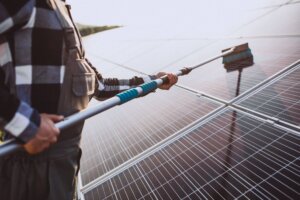
- Failing to consider maintenance access – Lights positioned in hard-to-reach locations don’t receive proper cleaning and maintenance
Seasonal Considerations for Solar Light Placement
Understanding seasonal variations is crucial when determining where to put solar lights for year-round performance. The sun’s angle changes dramatically throughout the year, affecting both the intensity and direction of solar energy reaching your lights.
During winter months, the sun travels a lower arc across the sky, which means solar panels need different positioning to capture optimal energy. Areas that receive full sun during summer may be completely shaded during winter months due to the sun’s changed angle.
We conduct seasonal shadow analysis as part of our site assessment process. This analysis reveals how shadows from buildings, trees, and other structures change throughout the year, allowing us to position lights where they’ll receive consistent solar exposure regardless of season.
Fall and spring present unique challenges because rapidly changing daylight hours affect charging cycles. Lights that performed well during long summer days may struggle during shorter autumn and winter days if they’re not positioned for maximum solar gain.
Technical Factors Affecting Solar Light Performance
The technical aspects of where to put solar lights go beyond simple sun exposure. We consider factors like ambient light pollution, which can interfere with photoelectric sensors that control when lights turn on and off.
Wind exposure affects solar light stability and longevity. Lights positioned in areas with strong prevailing winds need more robust mounting and may require different positioning to prevent damage during storms.
We also evaluate electrical interference from nearby power lines or electronic devices that might affect solar light sensors or LED performance. Proper positioning minimizes these technical challenges while maximizing illumination effectiveness.
Ground conditions play a role in solar light placement decisions. Areas with poor drainage can cause moisture damage to solar components, while extremely hard surfaces may require special mounting solutions.
Professional Site Assessment Benefits
Our comprehensive site assessment process ensures optimal decisions about where to put solar lights for your specific property. We use professional tools, including light meters, shadow analysis software, and photometric modeling, to determine ideal placement locations.
During site visits, we measure existing light levels, identify potential obstruction sources, and evaluate sun exposure patterns throughout your property. This data-driven approach eliminates guesswork and ensures maximum performance from your solar lighting investment.
We provide detailed photometric layouts that show exactly where each light should be positioned, what type of mounting is required, and what performance levels you can expect. These layouts account for your specific safety requirements, aesthetic preferences, and budget considerations.
Our shadow mapping technology predicts how shadows will affect solar panel performance throughout the year. This analysis allows us to position lights where they’ll receive optimal solar exposure regardless of seasonal changes or surrounding obstacles.
| Assessment Component | Purpose | Benefit |
| Sun exposure analysis | Measure daily solar availability | Ensures adequate charging time |
| Shadow mapping | Identify obstruction patterns | Prevents performance issues |
| Photometric modeling | Calculate light distribution | Optimizes illumination coverage |
| Safety evaluation | Assess security needs | Enhances protection effectiveness |
Maximizing Energy Efficiency Through Strategic Placement
Energy efficiency becomes critical when considering where to put solar lights because proper positioning directly affects battery life and illumination duration. We position lights to capture maximum solar energy while minimizing wasted illumination on areas that don’t need lighting.
Our placement strategies consider the relationship between solar panel orientation and LED positioning. Lights positioned where panels face true south typically perform better than those facing other directions, especially during winter months when sun angles are lowest.
We recommend positioning lights where natural wind flow can help cool solar panels during hot summer days. Cooler panels operate more efficiently and have longer lifespans than those mounted in areas without adequate ventilation.
Timer and motion sensor settings work more effectively when lights are positioned correctly. We place motion-sensor lights where they can detect approaching movement while avoiding false triggers from passing cars or swaying vegetation.
Commercial and Municipal Applications
Large-scale projects require sophisticated analysis of where to put solar lights because they involve multiple lighting zones, varying safety requirements, and complex shadow patterns from buildings and infrastructure.
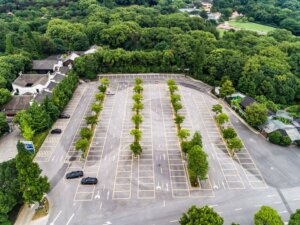
For commercial parking lots, we create lighting grids that ensure uniform illumination while positioning solar panels for optimal energy collection. This often requires careful coordination between light placement and existing structures like lamp posts or building overhangs.
Municipal street lighting projects require compliance with local safety standards while maximizing energy efficiency. We position solar street lights to meet illumination requirements while ensuring reliable performance throughout varying weather conditions.
Public spaces like parks and recreational areas need lighting that enhances safety without disrupting natural environments. Our placement strategies balance human safety needs with wildlife protection and dark-sky preservation principles.
| Application Type | Key Placement Factors | Performance Goals |
| Commercial parking | Uniform coverage, vehicle safety | Eliminate dark zones |
| Municipal streets | Code compliance, pedestrian safety | Meet illumination standards |
| Public parks | Environmental protection, visitor safety | Balance nature and security |
| Residential communities | Privacy, aesthetic appeal | Enhance property values |
Advanced Placement Techniques for Challenging Environments
Some properties present unique challenges when determining where to put solar lights. Coastal areas deal with salt exposure and high winds, while mountainous regions face extreme temperature variations and snow loads.
In coastal environments, we position lights to minimize salt spray exposure while ensuring adequate solar panel cleaning from rain. This often means mounting lights at angles that allow natural cleaning while protecting sensitive components.
Properties with significant tree coverage require creative placement solutions. We use selective tree trimming recommendations alongside strategic light positioning to maintain solar access without compromising landscaping aesthetics.
Urban environments with significant ambient light pollution need careful sensor calibration and positioning. We place lights where their photoelectric sensors won’t be confused by street lights or building illumination.
Integration with Existing Electrical Systems
Modern solar light placement often involves integration with existing electrical systems for backup power or smart home connectivity. We position lights where they can connect to backup power sources during extended cloudy periods.
Smart solar lights with Wi-Fi connectivity need positioning that ensures strong signal reception while maintaining optimal solar exposure. This integration allows remote monitoring and control while preserving energy independence.
We coordinate solar light placement with existing landscape lighting to create cohesive illumination schemes. This integration ensures consistent lighting quality while maximizing energy efficiency and reducing maintenance requirements.
Transform Your Property with Expert Solar Light Placement
Our nearly two decades of experience in strategic solar lighting placement have taught us that the right positioning makes all the difference between adequate lighting and exceptional illumination that enhances both safety and property value.
At SolarPath Sun Solutions, we don’t just install lights; we create comprehensive lighting solutions that account for your property’s unique characteristics, seasonal variations, and specific safety requirements. Our certified team provides the expertise needed to maximize your solar lighting investment.
Ready to discover the optimal placement strategy for your property? Contact our experts today for a professional site assessment and customized positioning recommendations that will transform your outdoor spaces with reliable, efficient solar illumination.