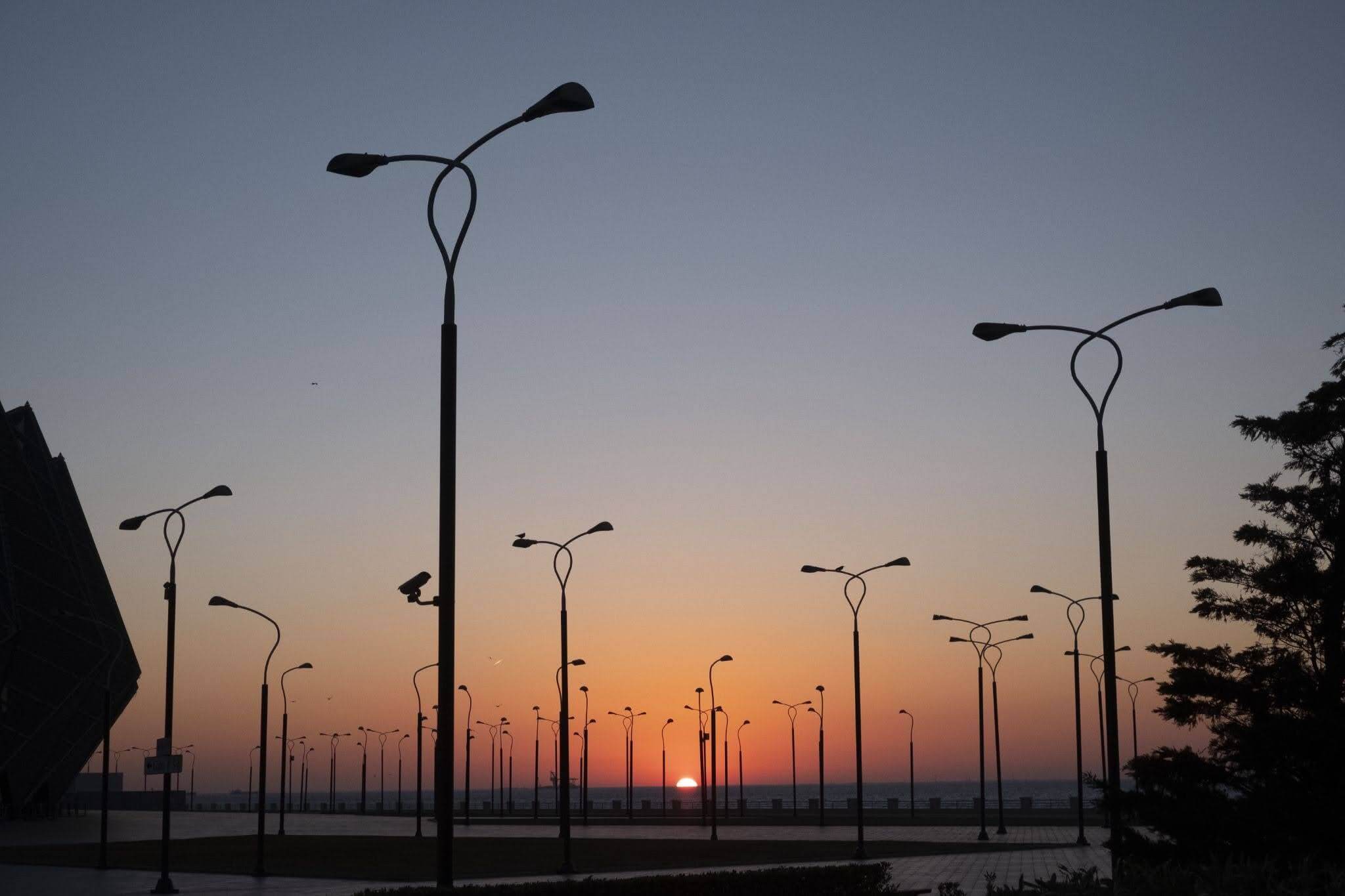
Solar street lighting has transformed how communities approach public illumination across North America. At SolarPath Sun Solutions, we’ve spent nearly two decades perfecting solar street light uses across diverse environments, from bustling city streets to peaceful park pathways. Since 2005, we’ve helped municipalities, developers, and public organizations eliminate grid dependency while creating safer, more sustainable communities.
The evolution of solar street lights reflects changing priorities in urban planning and environmental responsibility. Today’s solar street lighting systems offer versatility that traditional grid-tied lighting simply cannot match. These applications extend far beyond basic roadway illumination, encompassing everything from recreational facilities to security installations.
Under Roy Warshavsky’s leadership, our team has mastered the strategic deployment of solar street lighting across countless public environments. Each installation represents a carefully planned approach to maximizing safety, functionality, and environmental benefits while minimizing operational costs and light pollution.
Primary Applications for Solar Street Lighting
Roadway Illumination Systems
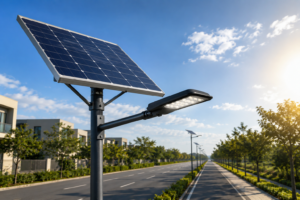
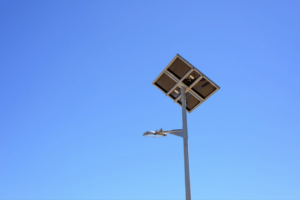
Solar street lights used for roadway applications represent our most common installations. Municipal streets, residential neighborhoods, and commercial districts all benefit from consistent, reliable illumination that operates independently of the electrical grid. These systems provide optimal visibility for vehicular traffic while maintaining the light distribution patterns required by transportation departments.
Our roadway solar street lighting solutions address various traffic conditions and street classifications. Primary arterials require different illumination levels than residential side streets, and our photometric analysis ensures each installation meets specific requirements. The flexibility of solar street lighting allows municipalities to illuminate previously dark stretches of road without expensive trenching or electrical infrastructure.
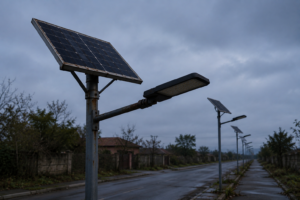
Highway applications present unique challenges that solar street lighting handles exceptionally well. Remote locations where grid connections would be prohibitively expensive become viable candidates for safe illumination. Emergency call boxes, rest areas, and highway interchanges all benefit from the reliability and independence that solar street lighting provides.
Parking Area Solutions
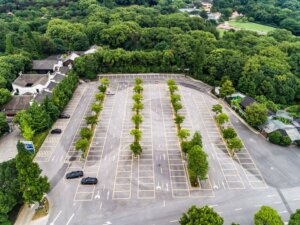
Commercial and municipal parking areas represent significant opportunities for solar street lights. Shopping centers, office complexes, schools, and government facilities all require adequate parking lot illumination for safety and security purposes. Solar street lighting eliminates the ongoing electrical costs associated with traditional parking lot lighting while providing consistent performance.
The uniform light distribution achievable with properly designed solar street lighting systems ensures adequate coverage across large parking areas. Our photometric analysis capabilities allow us to optimize pole placement and light output to minimize dark spots while preventing over-illumination that wastes energy and creates light pollution.
Parking garage applications showcase the versatility of solar street light uses in covered environments. While solar panels require external placement, LED fixtures can be positioned throughout garage structures to provide necessary illumination without ongoing electrical costs. This approach proves particularly valuable for standalone parking structures where electrical infrastructure would be expensive to install.
Pedestrian Walkway Lighting
Safe pedestrian movement requires thoughtful illumination that solar street lighting provides effectively. Sidewalks, crosswalks, and pedestrian bridges all benefit from the consistent performance and strategic placement options that solar street lights offer. These installations enhance pedestrian safety while contributing to overall community walkability.
Campus environments, both educational and corporate, utilize solar street lighting extensively for pedestrian pathway illumination. The ability to install lighting without trenching or electrical infrastructure makes solar solutions ideal for established campuses where ground disturbance would be disruptive or expensive.
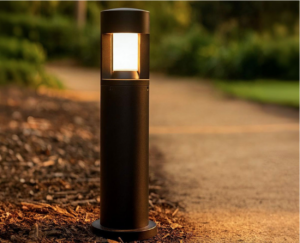
Urban trail systems and greenway corridors represent growing applications for solar street light uses in pedestrian environments. These installations extend usable hours for recreational activities while maintaining the natural character of green spaces. As certified members of the International Dark-Sky Association, we design these systems to minimize ecological impact while maximizing pedestrian safety.
Specialized Solar Street Light Uses
Recreational Facility Applications
Parks and recreational facilities benefit tremendously from the flexibility that solar street lights provide. Tennis courts, basketball courts, playgrounds, and picnic areas all require different illumination approaches, and solar street lighting systems can be customized to meet specific requirements without complex electrical installations.
Athletic field lighting represents a specialized application where solar street lighting excels. Practice fields, warming areas, and spectator zones all benefit from reliable illumination that operates independently of facility electrical systems. The ability to provide consistent lighting without increasing facility electrical loads makes solar solutions particularly attractive for schools and community organizations.
Amphitheaters and outdoor event spaces utilize solar street lights for both functional and aesthetic purposes. These installations provide necessary safety lighting while creating an attractive ambiance for community gatherings. The independence from grid power means events can proceed even during electrical outages or in locations where temporary electrical service would be expensive.
Security & Safety Applications
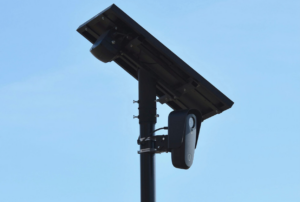
Solar street lights used for security purposes have become increasingly sophisticated and effective. Perimeter lighting, entrance illumination, and surveillance area lighting all benefit from the reliability and strategic placement options that solar street lighting provides. These installations often incorporate motion sensors and remote monitoring capabilities for enhanced security functionality.
Construction sites and temporary installations represent important applications for solar street light uses where traditional electrical service is unavailable or impractical. These portable systems provide necessary safety lighting for workers while meeting regulatory requirements for construction site illumination. The ability to relocate systems as projects progress makes solar solutions particularly valuable for large construction projects.
Emergency services applications showcase the critical infrastructure potential of solar street lights. Fire stations, police facilities, and emergency medical services benefit from lighting systems that continue operating during power outages when emergency response is most critical. These installations often incorporate backup power capabilities and emergency communication equipment.
Strategic Implementation of Solar Street Lighting
Site Assessment & Planning Process
Successful solar street light uses begin with a comprehensive site assessment that considers solar exposure, lighting requirements, and environmental factors. Our team conducts detailed photometric analyses to ensure optimal light distribution patterns for each specific application. This process identifies the most effective pole locations and light configurations to meet performance requirements while minimizing installation costs.
The planning process for solar street light uses must account for seasonal variations in solar energy availability and lighting requirements. Winter conditions with reduced daylight hours and increased lighting duration require careful battery sizing and solar panel configuration. Our experience across diverse climatic conditions ensures reliable year-round performance regardless of installation location.
Regulatory compliance represents a critical aspect of planning solar street light uses for public applications. Municipal lighting standards, transportation department requirements, and environmental regulations all influence system design and installation approaches. Our familiarity with regulatory frameworks across North America streamlines the approval process for public installations.
Customization & Performance Optimization
The versatility of solar street light uses allows for extensive customization to meet specific application requirements. Light output, distribution patterns, operating schedules, and control capabilities can all be tailored to optimize performance for individual installations. This customization ensures maximum effectiveness while preventing over-specification that increases unnecessary costs.
Our photometric analysis capabilities enable precise optimization of solar lights for specific environments. Light distribution patterns can be adjusted to accommodate roadway geometry, pedestrian traffic patterns, or security requirements. This precision ensures adequate illumination while minimizing light pollution and energy waste.
Control system integration expands the capabilities of solar street lights beyond basic illumination. Dimming schedules, motion sensors, remote monitoring, and emergency overrides can all be incorporated to enhance functionality while conserving battery power. These smart features maximize the effectiveness of solar street lighting investments.
Key Planning Considerations for Solar Street Light Uses
When implementing solar street lights across different applications, several critical factors determine project success:
- Solar exposure assessment – Evaluating available sunlight throughout the year to ensure adequate energy generation for consistent operation.
- Lighting requirement analysis – Determining appropriate illumination levels based on application type, safety requirements, and regulatory standards.
- Environmental factor evaluation – Considering wind loads, temperature extremes, and weather conditions that affect system performance and longevity.
- Installation logistics planning – Coordinating site access, equipment delivery, and installation scheduling to minimize disruption to public spaces.
- Maintenance accessibility design – Ensuring systems can be serviced efficiently while maintaining safety standards for both technicians and the public.
- Regulatory compliance verification – Confirming installations meet all applicable codes, standards, and permitting requirements for public infrastructure.
- Future expansion accommodation – Designing systems with capacity for additional lighting or upgraded components as needs evolve.
Applications Comparison: Solar vs. Traditional Street Lighting
| Application Type | Solar Street Light Advantages | Traditional Lighting Limitations |
| Remote Locations | No trenching or electrical infrastructure required | Expensive electrical extensions and ongoing utility costs |
| Parking Areas | Eliminates electrical operating costs | High monthly electrical bills and maintenance complexity |
| Recreational Facilities | Independent operation during power outages | Dependent on facility’s electrical systems |
| Emergency Applications | Continues operating during grid failures | Fails during power outages when most needed |
| Temporary Installations | Easily relocated as needs change | Requires permanent electrical infrastructure |
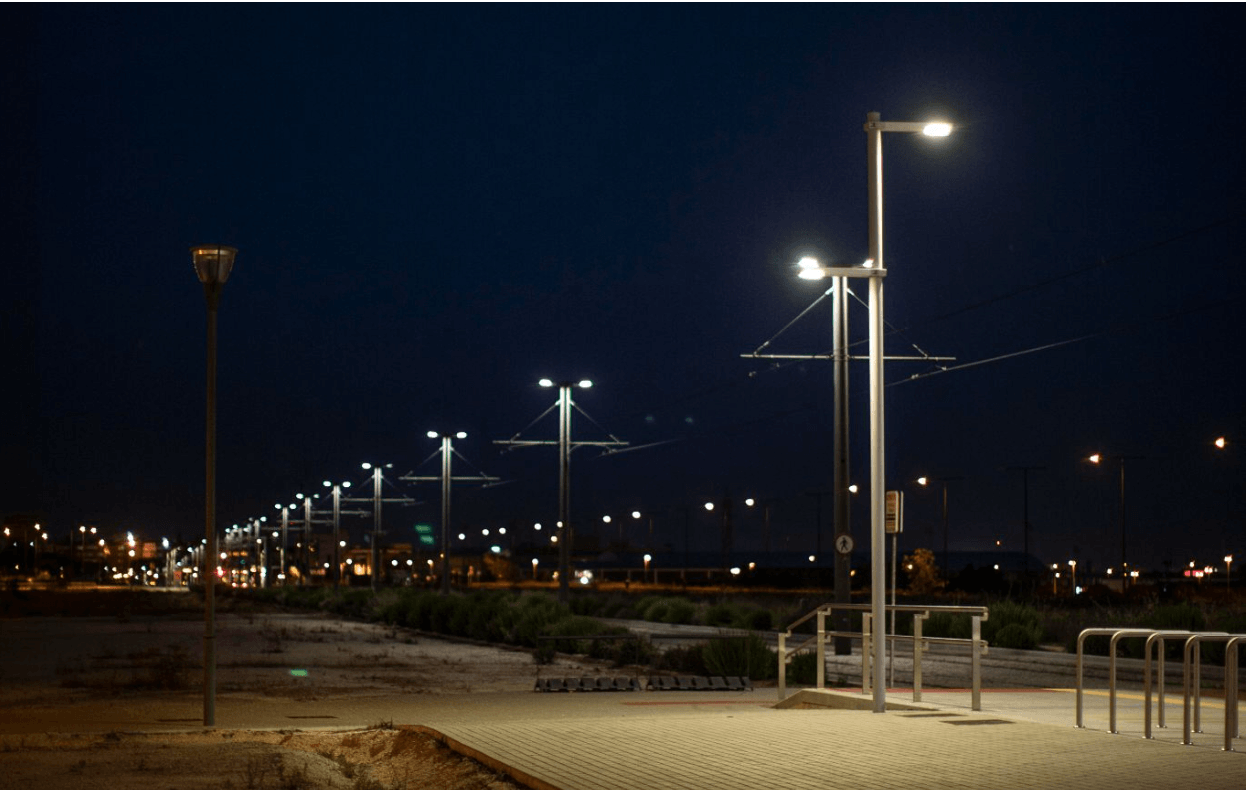
Performance Specifications by Application
| Use Case | Typical Light Output | Operating Hours | Special Features |
| Primary Roads | 4000-8000 lumens | Dusk to dawn | Uniform distribution patterns |
| Residential Streets | 2000-4000 lumens | Dusk to dawn | Warm color temperature options |
| Parking Areas | 3000-6000 lumens | Dusk to dawn | Motion sensor capabilities |
| Pedestrian Paths | 1500-3000 lumens | Dusk to dawn | Dark-sky compliant designs |
| Security Applications | 2000-5000 lumens | Motion activated | Remote monitoring integration |
Benefits of Professional Solar Street Light Implementation
Cost-Effectiveness & ROI
Solar street light uses provide substantial long-term cost advantages compared to traditional grid-tied lighting systems. Elimination of monthly electrical bills, reduced maintenance requirements, and independence from utility rate increases create compelling financial benefits for municipalities and property owners. The return on investment typically occurs within 3 to 5 years, depending on local utility rates and installation complexity.
The total cost of ownership for solar street light uses includes initial equipment and installation costs offset by eliminated electrical bills and reduced maintenance requirements. Unlike traditional street lighting that requires ongoing electrical consumption and frequent bulb replacements, solar LED systems provide 10 to 15 years of reliable operation with minimal maintenance needs.
Grant funding and incentive programs often support solar street light uses for public applications, further improving project economics. Federal, state, and local programs frequently provide financial assistance for renewable energy infrastructure projects, making solar street lighting even more attractive for public installations.
Environmental & Community Benefits
Solar street light uses contribute significantly to community sustainability goals and environmental stewardship. Each installation reduces carbon emissions associated with electrical generation while demonstrating commitment to renewable energy adoption. These visible examples of environmental responsibility inspire community support for additional sustainability initiatives.
The elimination of trenching and electrical infrastructure required for traditional street lighting reduces environmental disruption during installation. Solar street light uses can be implemented in environmentally sensitive areas without disturbing root systems, drainage patterns, or existing utilities. This minimal-impact installation approach proves particularly valuable in parks and natural areas.
Light pollution reduction represents an important environmental benefit of properly designed solar street light uses. As certified members of the International Dark-Sky Association, we ensure installations provide necessary illumination while minimizing impact on nocturnal ecosystems and astronomical visibility. This responsible approach benefits both communities and wildlife.
Reliability & Performance Advantages
Modern solar street light uses provide exceptional reliability through advanced battery technology and intelligent power management systems. Lithium battery systems offer 7–10 year service lives with consistent performance across wide temperature ranges. Smart charging controllers optimize battery life while ensuring reliable operation during extended cloudy periods.
The independence from electrical grid fluctuations and outages makes solar street light uses particularly valuable for critical applications. While traditional street lighting fails during power outages, solar systems continue providing essential illumination when it’s needed most. This reliability is especially important for security applications and emergency services facilities.
Weather resistance and durability ensure solar street light uses perform consistently across diverse climatic conditions. Our systems are engineered to withstand hurricane-force winds, extreme temperatures, and corrosive coastal environments, providing decades of reliable service with minimal maintenance requirements.
Technical Excellence in Solar Street Light Applications
Photometric Analysis & Light Distribution
Our technical expertise in solar street light uses includes comprehensive photometric analysis to optimize light distribution for specific applications. Computer modeling allows us to predict illumination patterns and identify optimal pole locations before installation begins. This precision ensures adequate coverage while preventing over-illumination that wastes energy and creates light pollution.
The science behind effective solar street light uses requires understanding how different LED optics and mounting configurations affect light distribution patterns. Roadway applications require different distribution patterns than pedestrian areas or parking lots. Our technical team selects appropriate optics for each application to maximize effectiveness while minimizing energy consumption.
Advanced photometric analysis capabilities enable us to design solar street light uses that meet specific illumination standards and regulatory requirements. Whether conforming to Illuminating Engineering Society standards or municipal safety codes, our technical approach ensures compliance while optimizing performance.
Smart Technology Integration
Modern solar street light uses incorporate intelligent controls and monitoring capabilities that enhance performance while reducing operational costs. Wireless monitoring systems provide real-time performance data, battery status, and maintenance alerts, enabling proactive maintenance scheduling and rapid response to issues.
Motion sensors and adaptive dimming extend battery life while maintaining safety effectiveness in solar street light use. Systems can operate at reduced output during low-activity periods and increase illumination when motion is detected, maximizing energy efficiency without compromising safety.
Remote management capabilities allow centralized control of multiple solar street light uses across large installations. Operating schedules, dimming levels, and emergency overrides can all be managed from a central location, particularly valuable for municipalities managing extensive lighting networks.
Transform Your Public Spaces with Expert Solar Street Lighting
Ready to explore how solar street light uses can enhance safety, reduce costs, and demonstrate environmental leadership in your community? SolarPath Sun Solutions brings nineteen years of specialized expertise to every project, ensuring optimal performance and long-term reliability.
Our comprehensive approach includes site assessment, photometric analysis, and customized system design tailored to your exact requirements. As certified members of the International Dark-Sky Association, we deliver lighting solutions that maximize safety while minimizing environmental impact.
Don’t let ongoing electrical bills and maintenance concerns burden your lighting budget. Contact us today to discover how our proven solar street lighting solutions can transform your roads, parks, and public spaces while delivering substantial long-term savings.