When darkness falls, traditional lighting systems depend on the electrical grid to illuminate streets, parking lots, pathways, and security areas. But what if there was a way to provide reliable outdoor lighting that operates completely independently from conventional power sources while reducing environmental impact and operational costs?
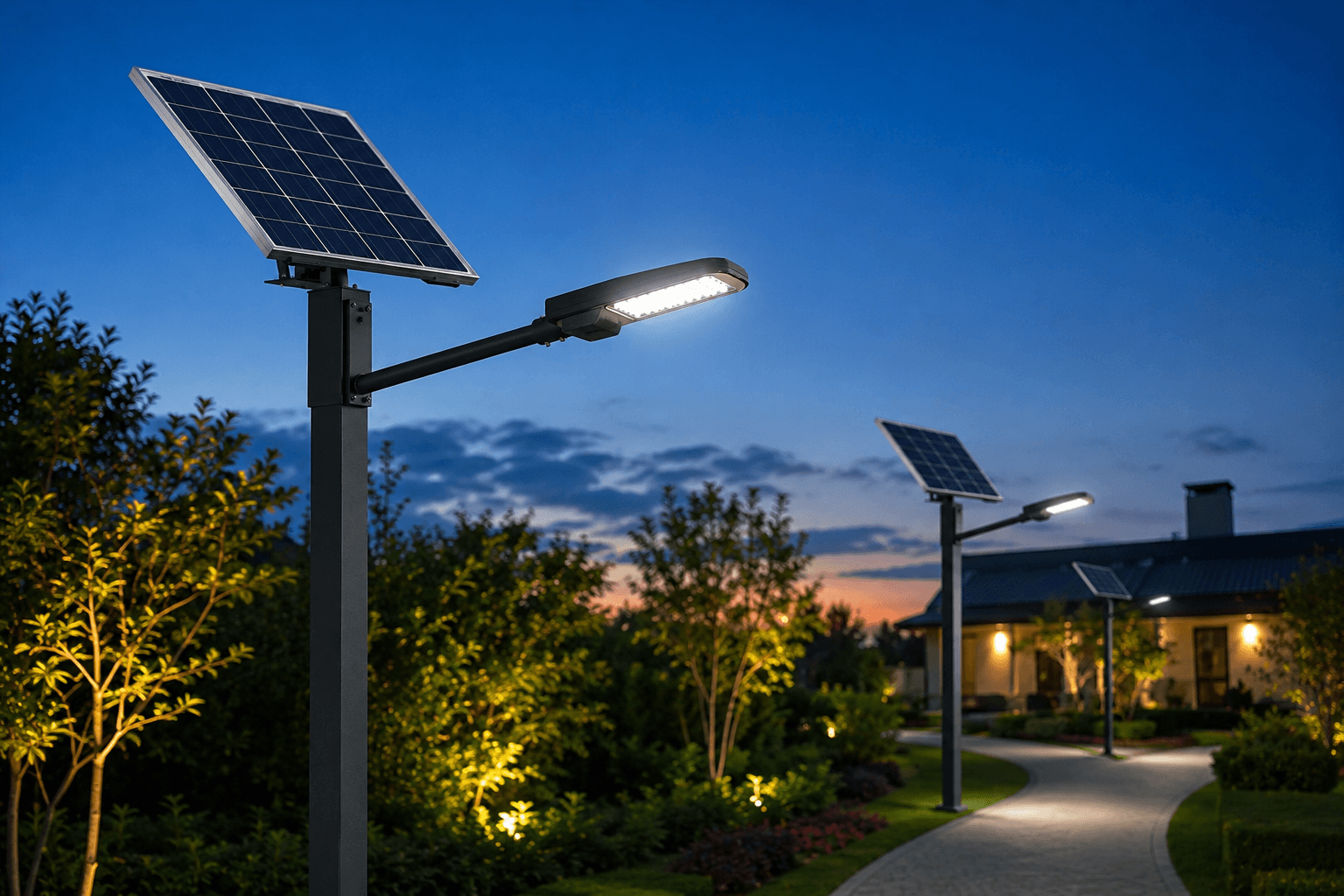
What is a solar lighting system? Simply put, it’s a self-contained lighting solution that captures sunlight during the day, stores that energy in batteries, and automatically provides illumination when needed without any connection to the electrical grid. These systems combine solar panels, LED fixtures, battery storage, and intelligent controls to create sustainable lighting solutions that work reliably regardless of their distance from traditional power infrastructure.
Solar lighting systems have evolved from basic garden lights to sophisticated installations capable of illuminating entire streets, parking facilities, and commercial properties. They represent a practical approach to outdoor lighting that eliminates trenching costs, reduces ongoing electricity expenses, and provides lighting in remote locations where grid connections would be expensive or impossible to establish.
Understanding Solar Lighting System Components
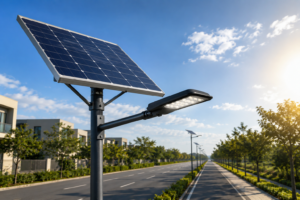
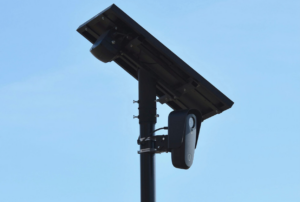
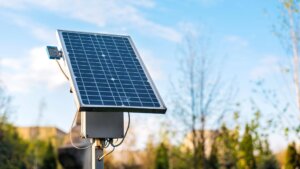
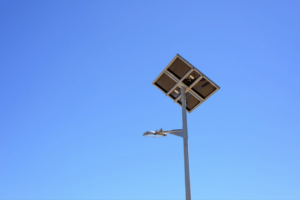
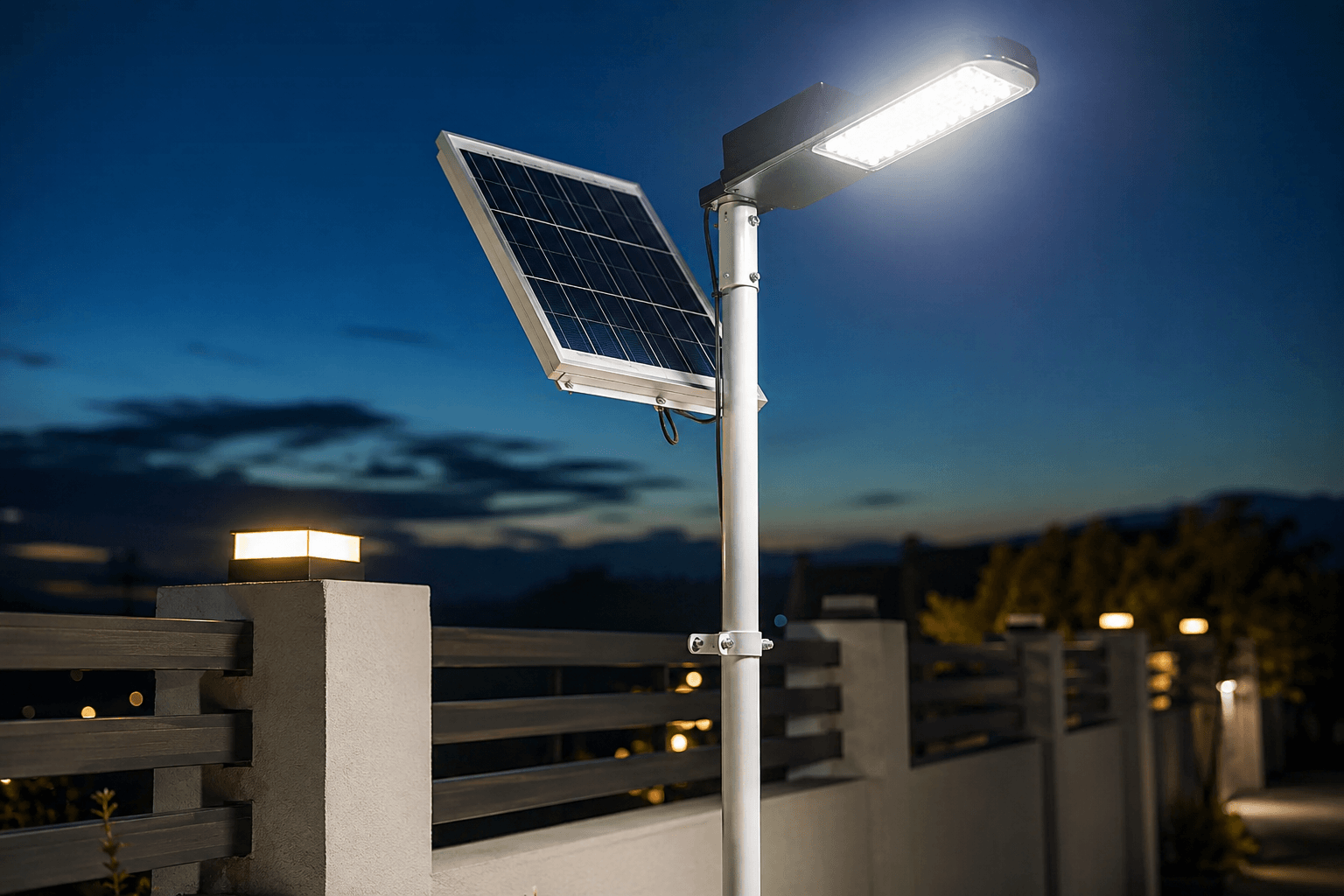
Every solar lighting system operates through the integration of four essential components that work together to capture, store, and deliver illumination. The solar panel serves as the energy collector, typically mounted above the light fixture or on a separate pole to maximize sun exposure throughout the day.
The LED light fixture provides the actual illumination, engineered for maximum efficiency and longevity. Modern LED technology allows these systems to produce bright, consistent light while consuming minimal energy from the stored battery power.
Battery storage acts as the energy reservoir, storing the electricity generated by the solar panel during daylight hours. These batteries are specifically designed for deep-cycle operation, allowing them to charge and discharge repeatedly without degrading performance.
The control system serves as the brain of the operation, managing when lights turn on and off, adjusting brightness levels based on conditions, and protecting the battery from overcharging or excessive discharge. This intelligent control ensures optimal performance and extends the system’s operational life.
How Solar Lighting Systems Work
The operational cycle of a solar lighting system begins each morning when sunlight hits the solar panel. Photovoltaic cells within the panel convert sunlight directly into electrical energy, which flows through a charge controller that regulates the charging process to protect the battery system.
During daylight hours, the system continues charging the batteries while the LED fixtures remain off. Advanced charge controllers monitor battery voltage and solar panel output to optimize the charging process and ensure batteries reach full capacity when sufficient sunlight is available.
As darkness approaches, light sensors within the control system detect the change in ambient light levels and automatically activate the LED fixtures. The stored battery energy powers the lights throughout the night, with the control system managing output to ensure consistent illumination until dawn.
This daily cycle repeats continuously, with the system designed to operate reliably even during periods of limited sunlight. Quality systems include battery capacity sufficient to power lights for multiple nights without solar charging, ensuring consistent performance regardless of weather conditions.
Types of Solar Lighting Applications
Street & Roadway Lighting
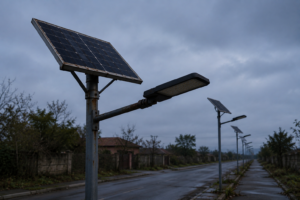
Solar lighting systems for streets and roadways represent some of the most demanding applications in the industry. These installations must provide consistent, bright illumination that meets municipal safety standards while operating reliably in all weather conditions.
Street solar lighting systems typically feature high-capacity battery banks and powerful LED fixtures capable of producing the light levels required for vehicular and pedestrian safety. Professional photometric layouts ensure proper light distribution patterns that meet established roadway illumination standards.
These systems eliminate the need for expensive trenching and electrical infrastructure, making them particularly valuable for new developments, rural roads, and areas where grid connections would be costly or disruptive to install.
Parking Lot & Commercial Lighting
Commercial solar lighting applications focus on providing security and safety illumination for parking areas, walkways, and building perimeters. These systems must balance adequate light levels with energy efficiency to ensure reliable all-night operation.
Parking lot solar lighting systems often incorporate motion detection capabilities, allowing lights to operate at reduced brightness during periods of low activity and increase to full output when movement is detected. This approach extends battery life while maintaining security coverage.
The ability to install solar lighting without electrical connections makes these systems ideal for large parking areas, remote facilities, and locations where traditional lighting installation would require extensive electrical work.
Pathway & Recreational Lighting
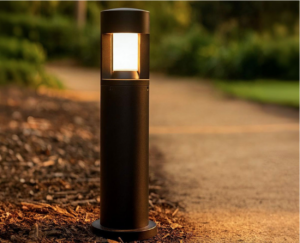
Pathway and recreational solar lighting systems provide safe navigation for pedestrians while maintaining the aesthetic appeal of parks, trails, and outdoor recreational areas. These applications typically require lower light levels than street lighting but must provide consistent coverage along extended routes.
These systems often feature decorative fixtures that complement landscape design while providing functional illumination. The absence of electrical connections allows for flexible placement and easy relocation if pathway configurations change.
Dark-sky friendly designs minimize light pollution while providing adequate illumination for safe pedestrian movement, making them suitable for environmentally sensitive areas and locations near astronomical observation sites.
Grid-Independent Operation Benefits
The grid-independent nature of solar lighting systems provides unique advantages that extend beyond simple energy savings. These systems continue operating during power outages, providing critical safety lighting when traditional grid-connected lights fail.
Installation flexibility represents another significant benefit, as solar lighting can be placed anywhere with adequate sun exposure without regard for proximity to electrical infrastructure. This capability proves especially valuable in remote locations, new developments, and areas where trenching for electrical service would be expensive or environmentally disruptive.
Ongoing operational costs remain minimal since these systems require no electricity purchases and minimal maintenance. Quality LED fixtures can operate for decades, while modern battery systems provide years of reliable service before replacement becomes necessary.
The elimination of monthly electricity bills and connection fees can result in substantial long-term savings, particularly for installations requiring multiple fixtures or locations with high utility rates.
Professional Photometric Design Principles
Effective solar lighting system design begins with professional photometric analysis that determines optimal fixture placement, light output requirements, and beam patterns needed to achieve desired illumination levels. This engineering approach ensures systems provide adequate light coverage while maximizing energy efficiency.
Photometric layouts account for factors including mounting height, fixture spacing, light distribution patterns, and site-specific requirements such as obstacles or reflective surfaces. Proper design prevents over-lighting some areas while leaving others inadequately illuminated.
Professional photometric analysis also considers maintenance factors, ensuring light levels remain adequate throughout the fixture’s operational life as LED output gradually decreases over time. This approach provides predictable performance and helps determine appropriate replacement schedules.
Since 2005, SolarPath Sun Solutions has specialized in creating custom photometric layouts that optimize light distribution for each specific application, ensuring systems meet performance requirements while maximizing energy efficiency and battery life.
Battery Storage & Intelligent Control Systems
Modern solar lighting system battery storage utilizes advanced technologies designed specifically for solar applications. Lithium iron phosphate (LiFePO4) batteries have become the preferred choice due to their long cycle life, consistent performance across temperature ranges, and ability to handle deep discharge cycles without damage.
Battery capacity sizing considers factors including light fixture power consumption, required operating hours, expected solar charging availability, and backup reserves for extended cloudy periods. Proper sizing ensures reliable operation while avoiding unnecessary system costs from oversized components.
Intelligent control systems monitor battery voltage, solar panel output, and environmental conditions to optimize system performance. These controllers can adjust light output based on battery charge levels, implement motion detection features, and provide diagnostic information for maintenance purposes.
Advanced control systems also incorporate features such as dimming capabilities, seasonal adjustment for varying daylight hours, and communication interfaces that allow remote monitoring and control of multiple installations.
LED Technology & Energy Efficiency
The LED fixtures used in solar lighting systems represent a critical component that directly impacts both light quality and energy consumption. Modern LED technology provides exceptional efficiency, converting electrical energy to light with minimal heat generation and power waste.
LED fixture selection involves matching light output, color temperature, and beam patterns to specific application requirements. Color temperatures typically range from warm white (3000K) for residential applications to cool white (5000K-6500K) for security and commercial uses.
Quality LED fixtures designed for solar applications include features such as surge protection, temperature management, and optical systems optimized for specific beam patterns. These fixtures typically provide 50,000 hours or more of operation before requiring replacement.
Energy efficiency improvements in LED technology continue to enhance solar lighting system performance, allowing newer installations to provide more light output from the same battery capacity or extend operating hours with existing energy storage.
Environmental Benefits & Dark-Sky Compliance
Solar lighting systems provide significant environmental benefits beyond their use of renewable energy. These systems eliminate the carbon emissions associated with grid electricity consumption while reducing the demand for fossil fuel-generated power.
The absence of electrical infrastructure also minimizes environmental disruption during installation, eliminating the need for trenching that can disturb soil, vegetation, and wildlife habitats. This benefit proves particularly valuable in environmentally sensitive areas or locations with underground utilities.
Dark-sky compliance represents an important environmental consideration, as properly designed solar lighting systems can minimize light pollution that affects wildlife behavior and astronomical observation. Full-cutoff fixtures and appropriate light levels help preserve natural nighttime environments.
As certified members of the International Dark-Sky Association, SolarPath Sun Solutions understands the importance of balancing effective illumination with environmental responsibility, creating lighting solutions that provide necessary visibility while minimizing ecological impact.
Installation & Maintenance Considerations
Solar lighting system installation typically proves simpler and faster than traditional grid-connected lighting since no electrical connections or trenching are required. Installation primarily involves setting the foundation, mounting the fixture and solar panel, and connecting the system components.
Site preparation focuses on ensuring adequate solar exposure throughout the day while positioning fixtures for optimal light coverage. Proper solar panel orientation and tilt angles maximize energy collection, while fixture placement follows photometric design specifications.
Regular maintenance requirements remain minimal but important for long-term performance. This includes periodic cleaning of solar panels to maintain maximum energy collection, visual inspection of fixtures and mounting hardware, and battery performance monitoring.
Most quality systems provide several years of maintenance-free operation, with LED fixtures typically lasting decades and batteries requiring replacement every 5-10 years depending on usage patterns and environmental conditions.
| Component | Typical Lifespan | Maintenance Requirements |
| LED Fixture | 15-20 years | Visual inspection, cleaning |
| Solar Panel | 25+ years | Regular cleaning, damage inspection |
| Battery System | 5-10 years | Performance monitoring, replacement |
| Control Electronics | 10-15 years | Diagnostic testing, settings verification |
Cost Analysis & Return on Investment
The financial benefits of solar lighting systems extend well beyond the initial purchase price when considering long-term operational costs and installation expenses. Traditional lighting installations often require significant electrical infrastructure investment, including trenching, conduit, wiring, and electrical service connections.
Solar lighting eliminates these infrastructure costs while providing immediate energy savings that continue throughout the system’s operational life. Areas with high electricity rates or expensive electrical service extensions see the most dramatic cost benefits from solar lighting installations.
Maintenance cost comparisons also favor solar lighting systems, as LED fixtures require minimal maintenance compared to traditional lighting technologies, and the absence of electrical connections eliminates many potential failure points that require professional electrical service.
Return on investment calculations should consider factors including avoided electrical infrastructure costs, ongoing energy savings, reduced maintenance expenses, and the value of reliable lighting during power outages.
Here’s a simplified cost comparison for a typical installation:
| Cost Factor | Traditional Lighting | Solar Lighting |
| Initial Equipment | $800-1,200 per fixture | $1,500-2,500 per fixture |
| Installation (including electrical) | $2,000-4,000 per fixture | $300-800 per fixture |
| Annual Energy Costs | $150-300 per fixture | $0 |
| Annual Maintenance | $75-150 per fixture | $25-75 per fixture |
Planning Your Solar Lighting Project
Successful solar lighting system implementation begins with careful assessment of site conditions, lighting requirements, and performance expectations. This planning phase should address factors including solar exposure, desired light levels, operating schedules, and any special requirements such as motion detection or dimming capabilities.
Site evaluation focuses on identifying optimal locations for both light fixtures and solar panels, considering factors such as shading from buildings or vegetation, mounting options, and accessibility for maintenance. Professional site surveys can identify potential issues before installation begins.
Performance requirements should be clearly defined, including necessary light levels, coverage areas, operating hours, and backup power needs for extended cloudy periods. These specifications guide system sizing and component selection to ensure reliable performance.
Working with experienced solar lighting professionals ensures proper system design, appropriate component selection, and installation practices that maximize long-term performance and reliability.
Transform Your Lighting with Professional Solar Solutions
Understanding what a solar lighting system is opens the door to sustainable, cost-effective illumination solutions that operate independently from traditional electrical infrastructure. These systems provide reliable lighting while reducing environmental impact and eliminating ongoing energy costs.
The technology has matured to the point where solar lighting systems can handle demanding applications from street lighting to commercial security installations. Professional design and quality components ensure these systems deliver consistent performance for decades with minimal maintenance requirements.
SolarPath Sun Solutions brings nearly two decades of experience in designing and implementing custom solar lighting solutions that meet specific performance requirements while maximizing energy efficiency and long-term reliability. Our expertise in photometric design and International Dark-Sky Association certification ensures your lighting project provides optimal results.
Ready to explore how solar lighting can transform your outdoor illumination needs? Contact us today to discuss your project requirements and discover the benefits of professional solar lighting design and installation.