Traditional street lighting systems drain electricity from the grid 24/7, creating ongoing energy costs and environmental concerns. Many municipalities and property developers struggle with rising electricity bills while searching for sustainable lighting solutions that don’t compromise on safety or visibility.
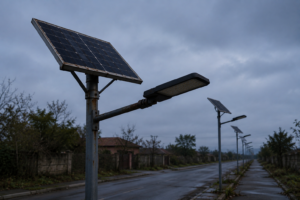
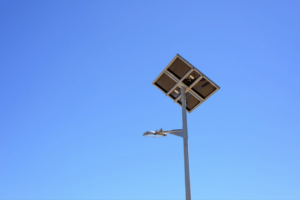
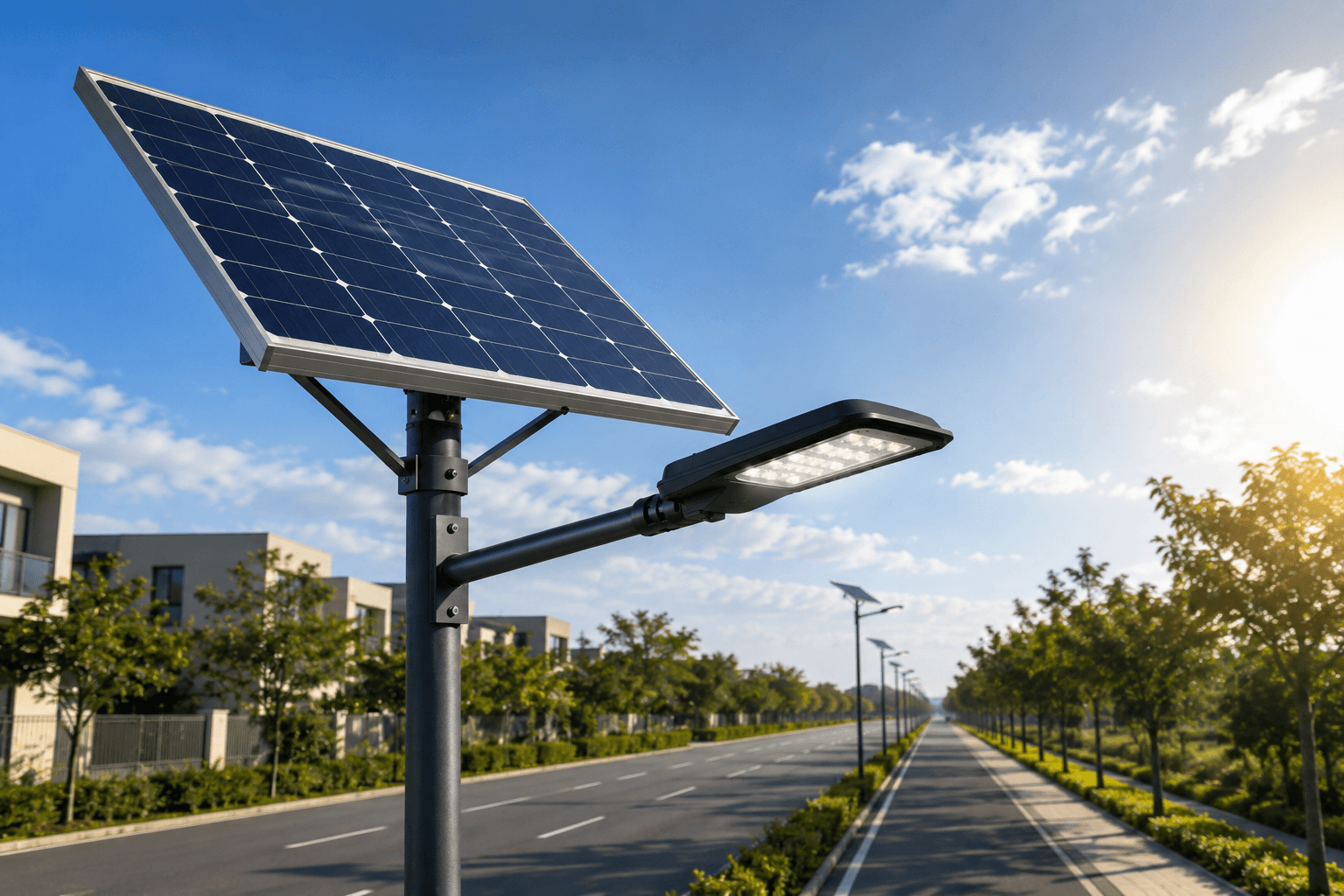
What is solar street light technology? Simply put, a solar street light is a self-contained lighting system that operates independently from the electrical grid. These innovative fixtures combine solar panels, LED lights, rechargeable batteries, and intelligent controllers into one integrated unit that captures sunlight during the day and automatically provides illumination at night.
Unlike conventional street lights that depend on grid electricity, solar street lights generate their own power through photovoltaic panels. This grid-independent approach eliminates ongoing electricity costs while reducing carbon footprints. Modern solar street lighting systems offer reliable performance, automatic operation, and minimal maintenance requirements.
The technology has advanced significantly in recent years, with improvements in LED efficiency, battery capacity, and smart control systems. Today’s solar street lights can provide consistent illumination for multiple nights even during cloudy weather, making them viable alternatives to traditional lighting infrastructure.
Understanding Solar Street Light Components
Solar street lights consist of several integrated components working together to create a self-sufficient lighting system. Each component plays a specific role in capturing solar energy, storing power, and delivering reliable illumination when needed.
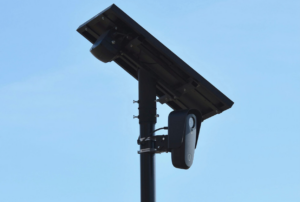
The main components include photovoltaic solar panels, LED light fixtures, rechargeable battery systems, charge controllers, and mounting hardware. These elements are engineered to work in harmony, creating lighting solutions that operate without external power sources.
Understanding how these components interact helps explain why solar street lights have become increasingly popular for various applications. The integration of advanced materials and technologies has made these systems more efficient and reliable than ever before.
Modern solar street lights also incorporate smart sensors and programmable controllers that optimize performance based on environmental conditions and usage patterns.
How Solar Panels Generate Power for Street Lighting
Photovoltaic Technology Basics
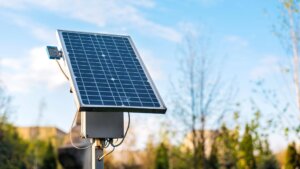
Solar panels convert sunlight directly into electricity through photovoltaic cells made from semiconductor materials. When sunlight strikes these cells, it creates an electrical current that charges the system’s batteries throughout daylight hours.
The efficiency of solar panels has improved dramatically over the past decade. Modern photovoltaic panels can generate substantial power even in partially cloudy conditions, ensuring consistent energy collection for nighttime lighting needs.
Panel positioning and angle optimization maximize solar energy capture. Most solar street light panels are mounted at angles that provide optimal sun exposure throughout the year, considering seasonal variations in sun position.
High-quality solar panels are designed to withstand harsh weather conditions including wind, rain, and temperature extremes. This durability ensures long-term reliable power generation for street lighting applications.
Daily Energy Collection Process
During daylight hours, solar panels continuously collect energy and convert it to electrical power that charges the system’s battery bank. The charging process is regulated by intelligent controllers that prevent overcharging and optimize battery life.
Energy collection varies based on sunlight intensity, weather conditions, and seasonal changes. Modern solar street light systems are designed with sufficient panel capacity to collect adequate energy even during shorter winter days.
The charging controller monitors battery levels and adjusts the charging rate accordingly. This prevents damage from overcharging while ensuring batteries reach full capacity when sufficient sunlight is available.
Energy collection data can be monitored remotely in advanced systems, allowing facility managers to track performance and identify any maintenance needs before they affect lighting reliability.
LED Technology in Solar Street Lights
LED lights represent the ideal lighting technology for solar applications due to their exceptional energy efficiency and long lifespan. LEDs consume significantly less power than traditional lighting while producing bright, consistent illumination.
The efficiency of LED technology means solar panels can be smaller while still providing adequate power for full-night lighting operation. This efficiency also extends battery life and reduces the overall system size requirements.
LED fixtures in solar street lights are specifically designed for outdoor applications with weatherproof housings and optical systems that distribute light evenly across roadways and pathways.
Color temperature options allow customization of light appearance from warm white to cool white, depending on application requirements and local preferences for street lighting aesthetics.
Battery Systems & Energy Storage
Lithium Battery Technology
Modern solar street lights typically use lithium-ion batteries due to their superior energy density, longer lifespan, and better performance in various temperature conditions compared to older battery technologies.
Lithium batteries can handle thousands of charge and discharge cycles while maintaining capacity. This longevity reduces maintenance requirements and provides reliable energy storage for years of operation.
The compact size of lithium batteries allows for more streamlined solar street light designs. These batteries can be integrated directly into the pole or fixture, creating cleaner installations with fewer external components.
Temperature management systems protect lithium batteries from extreme conditions that could affect performance or lifespan. Built-in thermal management ensures optimal battery operation in various climates.
Energy Storage Capacity Planning
Battery capacity is calculated based on lighting requirements, expected solar input, and desired backup duration. Proper sizing ensures lights operate reliably even during extended periods of limited sunlight.
Most solar street light systems include battery capacity for multiple nights of operation without solar charging. This backup capability provides reliable lighting during cloudy weather or seasonal variations in sunlight.
SolarPath Sun Solutions engineers each battery system based on specific location requirements, considering local weather patterns and lighting needs to ensure optimal performance year-round.
Battery management systems monitor charge levels, temperature, and health status to optimize performance and provide early warning of any maintenance needs.
Smart Controllers & Automation Features
Intelligent controllers manage all aspects of solar street light operation, from charging optimization to lighting schedules and brightness adjustment. These microprocessor-based systems ensure efficient operation without manual intervention.
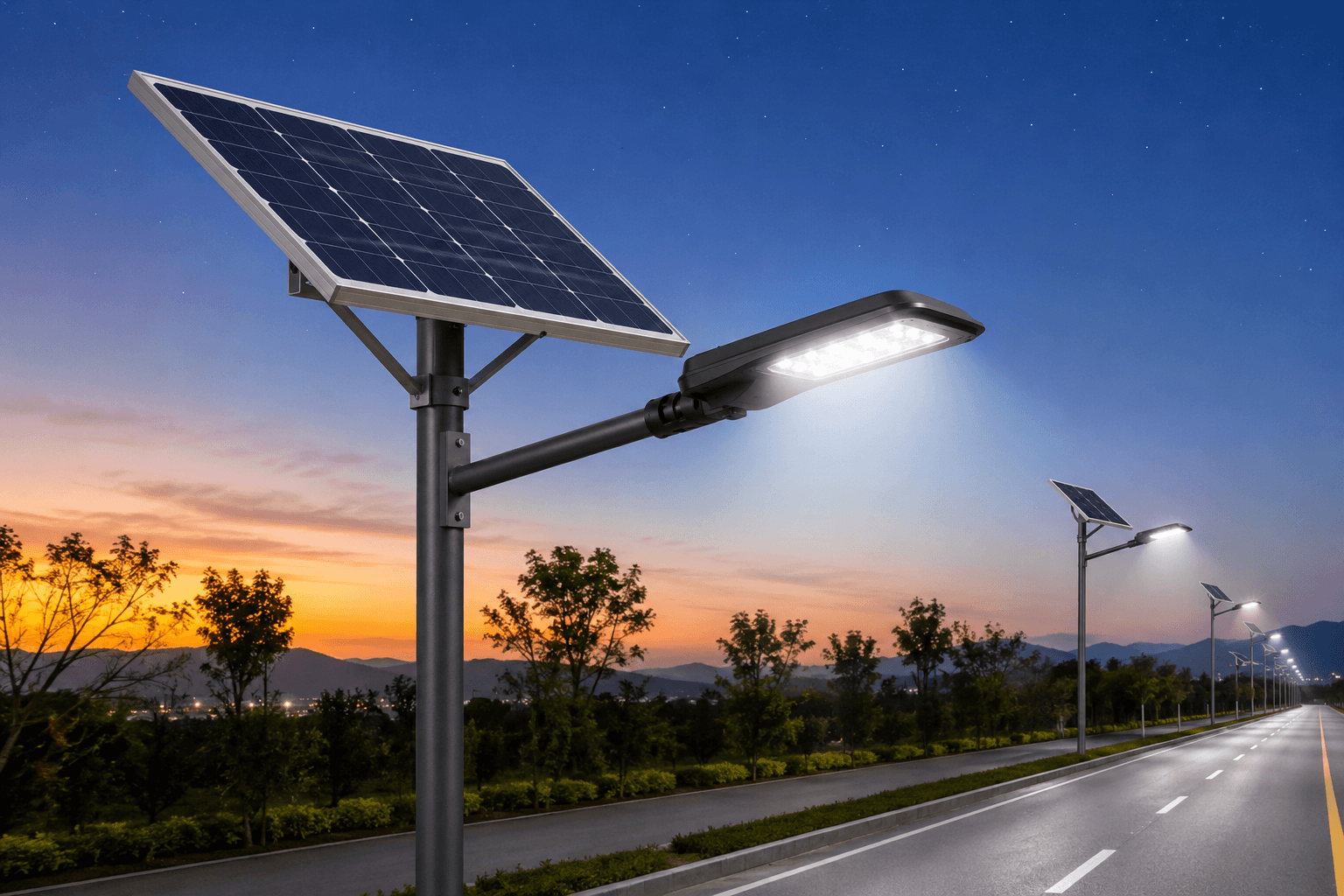
Automatic dusk-to-dawn operation eliminates the need for manual switching or timers that require regular adjustment. Light sensors detect ambient conditions and automatically turn lights on at sunset and off at sunrise.
Motion sensing capabilities can increase brightness when pedestrians or vehicles are detected, then dim back to normal levels to conserve energy. This smart functionality extends battery life while providing enhanced illumination when needed.
Remote monitoring capabilities allow facility managers to check system status, adjust settings, and receive alerts about maintenance needs. This connectivity reduces maintenance costs and ensures consistent performance.
Installation Advantages & Versatility
Residential Pathway Applications
Solar street lights provide excellent solutions for residential areas where grid connection would be expensive or disruptive. Private roadways, gated communities, and pathway lighting benefit from grid-independent solar systems.
Installation in residential areas requires minimal disruption since no electrical trenching or grid connections are necessary. Solar street lights can be installed quickly with standard equipment and minimal site preparation.
Homeowners associations and property developers appreciate the ongoing cost savings and environmental benefits of solar lighting. These systems eliminate monthly electricity bills while providing reliable security lighting.
Customizable light levels and timing options allow residential applications to balance security needs with light pollution concerns and neighbor preferences.
Municipal & Commercial Applications
Large-scale municipal installations benefit from the scalability of solar street lighting systems. Parks, parking lots, and remote areas can receive adequate lighting without expensive grid infrastructure expansion.
SolarPath Sun Solutions has extensive experience with municipal projects, providing photometric analysis to determine optimal pole spacing and lighting levels for various applications from residential streets to major thoroughfares.
Commercial applications include shopping centers, industrial facilities, and campus lighting where solar systems provide cost-effective illumination while supporting sustainability goals.
Fleet management and bulk procurement options make large-scale solar street light installations cost-effective for municipalities and commercial developers.
Environmental Benefits & Energy Efficiency
Solar street lighting systems eliminate the carbon footprint associated with grid-powered lighting by using clean, renewable solar energy. This environmental benefit supports sustainability goals while reducing operational costs.
Energy independence from grid electricity protects against power outages and voltage fluctuations that can affect traditional street lighting reliability. Solar systems continue operating normally during grid disruptions.
Reduced light pollution is achievable through precise optical control and programmable dimming features. Advanced LED fixtures and smart controls minimize sky glow while maintaining adequate ground-level illumination.
The elimination of underground electrical infrastructure reduces environmental disruption during installation and eliminates ongoing risks from buried cables in landscaped areas.
| Environmental Benefit | Traditional Lighting | Solar Street Lights |
| Carbon Emissions | High (grid electricity) | Zero (solar power) |
| Light Pollution | Fixed levels | Programmable/dimmable |
| Installation Impact | High (trenching required) | Minimal (no cables) |
| Grid Dependency | Complete | Independent |
Cost Considerations & Long-term Savings
Initial investment in solar street lighting is typically higher than conventional lighting installation, but operational savings begin immediately with zero electricity costs and minimal maintenance requirements.
Long-term cost analysis shows significant savings over the 20+ year lifespan of quality solar street light systems. Eliminated electricity bills, reduced maintenance, and avoided grid infrastructure costs provide substantial returns on investment.
Financing options and incentive programs can reduce upfront costs for municipal and commercial installations. Many jurisdictions offer rebates or tax incentives for renewable energy lighting projects.
Total cost of ownership calculations should include installation costs, maintenance savings, electricity cost avoidance, and environmental benefits when comparing solar options to traditional grid-connected lighting systems.
Performance in Various Weather Conditions
Modern solar street lights are engineered to operate reliably in diverse climate conditions, from hot desert environments to cold northern regions with limited winter sunlight.
Weather-resistant construction protects all components from rain, snow, wind, and temperature extremes. IP65 or higher ingress protection ratings ensure reliable operation in outdoor conditions.
Performance optimization includes:
- Oversized solar panels to compensate for seasonal sunlight variations
- Temperature-compensated battery charging for cold weather operation
- Wind-resistant mounting systems rated for local weather conditions
- Condensation prevention in LED fixtures and electronic components
Backup power duration is calculated based on local weather patterns to ensure lights continue operating during extended cloudy periods or storms that temporarily limit solar charging.
Maintenance Requirements & System Reliability
Solar street lights require minimal maintenance compared to traditional grid-connected systems. No electrical connections to maintain and LED technology lasting 50,000+ hours significantly reduces component replacement needs.
Routine maintenance typically includes periodic cleaning of solar panels and visual inspection of components. Most maintenance can be performed during regular groundskeeping activities without specialized electrical technicians.
System monitoring alerts maintenance staff to any issues before they affect lighting performance. Predictive maintenance based on battery health and charging performance prevents unexpected failures.
Component accessibility is designed into quality solar street light systems, allowing quick replacement of batteries or LED fixtures when needed after years of reliable service.
Ready to Transform Your Lighting with Solar Technology?
Solar street lights represent the future of sustainable outdoor illumination, combining energy independence with reliable performance and environmental responsibility. From residential pathways to major municipal projects, these systems provide cost-effective lighting solutions that eliminate ongoing electricity costs while supporting sustainability goals.
Understanding what solar street light technology is means recognizing its potential to transform how we approach outdoor lighting infrastructure. Modern systems integrate advanced photovoltaic panels, efficient LED lighting, intelligent battery management, and smart controls into reliable, grid-independent solutions.
SolarPath Sun Solutions brings nearly two decades of specialized expertise to help you implement the ideal solar lighting solution for your specific needs. Our team provides professional photometric analysis, custom system design, and ongoing support to ensure your solar street lighting investment delivers optimal performance and value. Contact us today to discover how solar street lighting can power your project while protecting your budget and the environment.