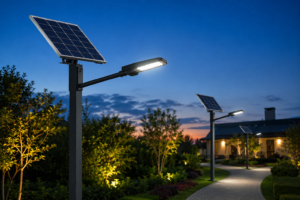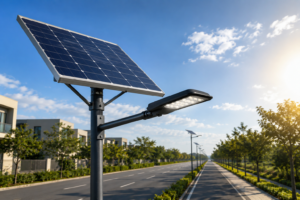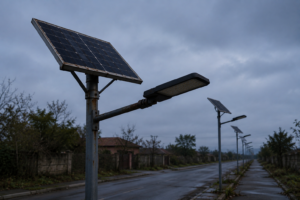
Solar motion lights have become increasingly popular for outdoor security and convenience lighting, but many property owners wonder about their sunlight requirements before making an investment. The short answer is that solar motion lights don’t always need direct sunlight to function, but the quality and amount of sunlight they receive significantly impacts their performance and reliability.
Understanding the relationship between sunlight exposure and solar lighting performance is essential for making informed installation decisions. Solar panels on motion lights can charge from both direct and indirect sunlight, though charging efficiency varies considerably based on positioning and environmental factors.
The key lies in understanding how different sunlight conditions affect battery charging rates, operational duration, and overall system reliability. Factors such as seasonal sun patterns, shading obstacles, and ambient light conditions all play important roles in determining whether your solar motion lights will perform as expected throughout the year.
How Solar Motion Lights Actually Work
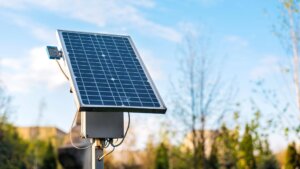
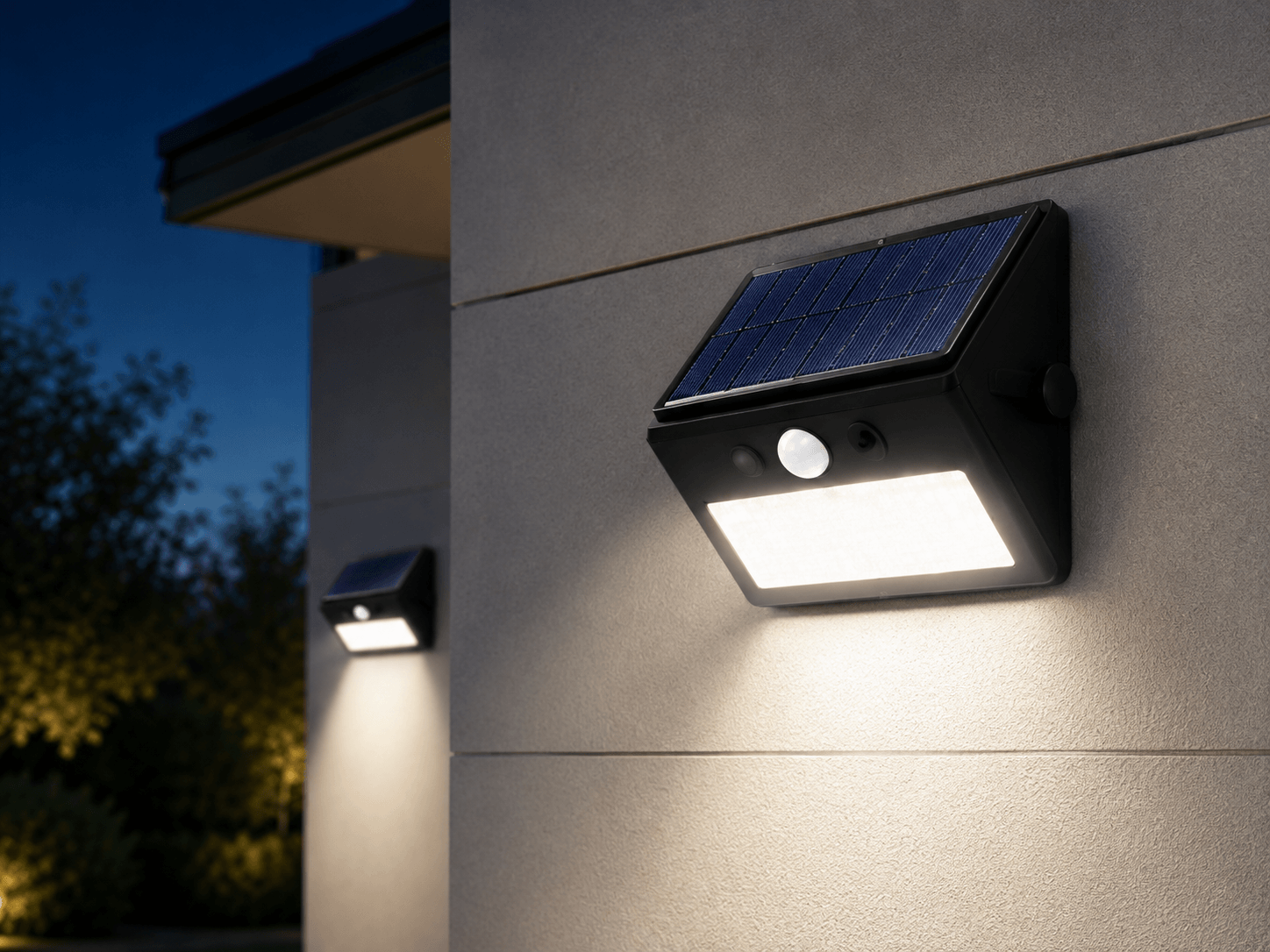
Solar motion lights operate through a relatively straightforward process that converts sunlight into stored electrical energy. The photovoltaic panel captures light photons and converts them into electrical current, which charges an internal battery system during daylight hours.
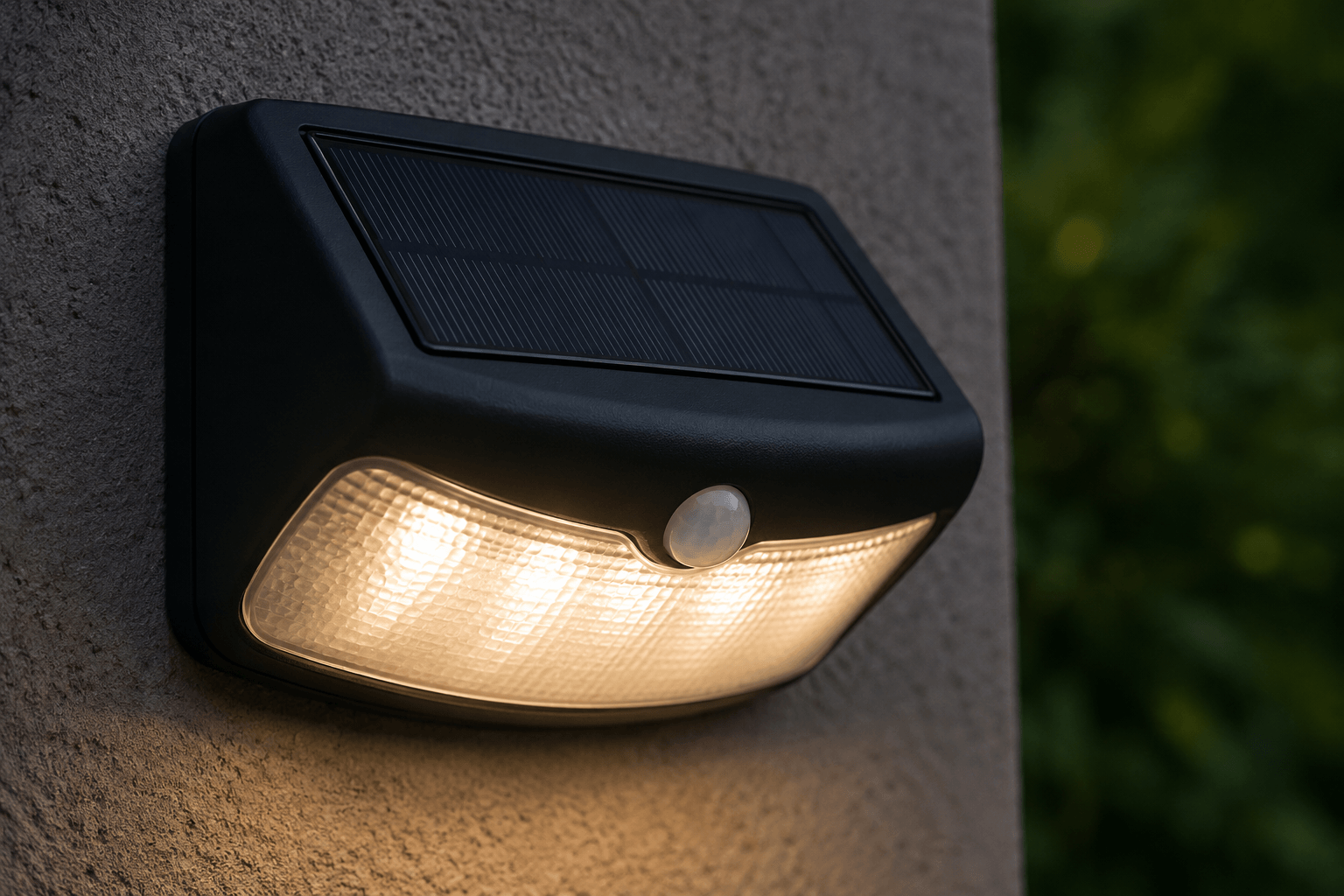
When darkness falls, the system automatically switches to battery power. Motion sensors detect movement within their range and trigger the LED lights to illuminate for a predetermined period. This cycle repeats daily, with the solar panel recharging the battery during the next day’s sunlight exposure.
The efficiency of this process depends heavily on the quality and duration of sunlight the solar panel receives. Direct sunlight provides the most efficient charging, but modern solar panels can also generate power from diffused or reflected light, though at reduced capacity.
Direct vs. Indirect Sunlight: Understanding the Difference
- Direct sunlight occurs when solar panels receive unobstructed light rays from the sun, typically providing optimal charging conditions. This happens when panels face the sun without interference from trees, buildings, or other obstacles casting shadows.
- Indirect sunlight includes diffused light that reaches solar panels through various means – reflected light from surfaces, light filtered through tree canopies, or ambient daylight on overcast days. While less efficient than direct sunlight, indirect light can still charge solar motion light batteries.
Most quality solar motion lights can operate effectively with 4-6 hours of good indirect sunlight daily. However, performance may be reduced, particularly during shorter winter days or extended cloudy periods.
The charging efficiency difference between direct and indirect sunlight can be substantial. Direct sunlight might charge a battery to full capacity in 6-8 hours, while the same battery might require 10-12 hours of indirect sunlight to reach similar charge levels.
Critical Factors That Affect Solar Panel Performance
Panel Positioning & Angle
Proper solar panel positioning significantly impacts charging efficiency regardless of whether you have direct or indirect sunlight available. Panels should generally face south in North America to maximize sun exposure throughout the day.
The angle of installation also matters considerably. Most solar motion lights perform best when panels are tilted at angles between 30-45 degrees, though this varies by geographic location and seasonal considerations.
Fixed panels cannot adjust for seasonal sun position changes, so finding the optimal compromise angle for year-round performance becomes essential. Many installers recommend positioning panels to favor winter sun angles, as these months present the greatest charging challenges.
Seasonal Sun Pattern Variations
Sun patterns change dramatically throughout the year, affecting solar motion light performance in ways many property owners don’t anticipate. Summer months provide longer daylight hours and higher sun angles, typically ensuring adequate charging even in partially shaded locations.
Winter presents the opposite challenge – shorter days, lower sun angles, and potential snow coverage can severely reduce charging capacity. Areas that receive adequate sunlight in summer might struggle during winter months without proper planning.
Understanding these seasonal variations helps in selecting installation locations that maintain acceptable performance year-round. SolarPath Sun Solutions has observed that installations successful in summer but failing in winter typically result from inadequate site assessment during the planning phase.
Shading Obstacles & Their Impact
Even partial shading can dramatically reduce solar panel efficiency due to how photovoltaic cells are wired together. When one section of a panel is shaded, it can reduce the output of the entire panel, not just the shaded portion.
Common shading obstacles include tree branches, building overhangs, fence posts, and even the motion light fixture itself if poorly designed. These obstacles may not seem significant but can substantially impact charging performance.
Seasonal shading patterns change as trees grow leaves in spring and lose them in fall, as the sun’s path shifts throughout the year, and as snow accumulates on nearby structures. Effective site assessment must account for these dynamic shading conditions.
Battery Charging Efficiency in Different Light Conditions
| Light Condition | Charging Efficiency | Daily Charging Hours Needed | Performance Impact |
| Direct Sunlight | 90-100% | 6-8 hours | Optimal performance |
| Bright Indirect | 60-75% | 8-10 hours | Good performance |
| Filtered Sunlight | 40-60% | 10-12 hours | Reduced performance |
| Heavy Overcast | 20-40% | 12+ hours | Poor performance |
Battery charging efficiency varies significantly based on available light conditions, as shown in the table above. These variations directly impact how reliably your solar motion lights will operate during nighttime hours.
Modern lithium-ion batteries used in quality solar motion lights can typically store enough energy for 2-3 nights of normal operation when fully charged. This provides some buffer during cloudy periods, but consecutive days of poor charging conditions will eventually impact performance.
Temperature also affects battery charging efficiency and capacity. Cold weather reduces battery performance while extreme heat can damage battery components over time. Quality solar motion lights include temperature compensation features to optimize charging across various weather conditions.
Installation Location Assessment Techniques
Evaluating Sun Exposure Throughout the Day
Proper site assessment begins with observing potential installation locations at different times throughout the day. The goal is identifying spots that receive the longest duration of quality sunlight, particularly during morning and midday hours when sun intensity is highest.
Use a simple sun path app or observe shadows cast at 9 AM, noon, and 3 PM to understand how sunlight patterns change. Areas that remain shadow-free during these peak hours typically provide adequate charging for solar motion lights.
Consider seasonal variations during assessment. A location with excellent summer sun exposure might be heavily shaded in winter when deciduous trees are bare, and the sun follows a lower path across the sky.
Measuring Light Levels with Simple Tools
Light meters or smartphone apps can help quantify available light at potential installation sites. While not perfectly accurate, these tools provide useful comparisons between different locations around your property.
Measurements should be taken at various times during clear, partly cloudy, and overcast days to understand the range of conditions your solar motion lights will experience. Look for locations that maintain reasonable light levels even during less optimal conditions.
Professional installers often use more sophisticated equipment, but property owners can make informed decisions using readily available measurement tools combined with careful observation of site conditions.
Solutions for Challenging Installation Environments
Partially Shaded Areas
Many installation sites have some degree of shading that can’t be eliminated entirely. Fortunately, several strategies can help solar motion lights function effectively in these challenging conditions.
Consider solar motion lights with larger panels or higher-efficiency photovoltaic cells designed for lower-light conditions. These units cost more initially but often provide better long-term performance in marginal sunlight conditions.
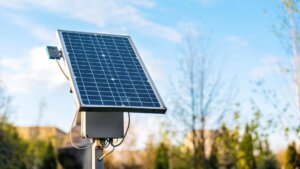
Remote solar panels connected by cable to the light fixture offer another solution. This allows positioning the panel in an optimal location while placing the light where needed for security or convenience purposes.
Dealing with Seasonal Variations
Properties in northern climates face significant seasonal challenges that require careful planning and sometimes seasonal adjustments. Understanding these limitations helps set realistic expectations and plan accordingly.
Some property owners install seasonal solar motion lights, using them primarily during months with adequate sunlight and switching to wired lighting during challenging winter periods. While not ideal, this approach acknowledges the realities of solar technology limitations.
Battery backup systems or hybrid solar lights with AC power backup provide another option for locations where consistent year-round solar performance is difficult to achieve.
Optimizing Solar Motion Light Placement
The placement decision process should balance sunlight access requirements with functional lighting needs. Security considerations might dictate specific mounting locations that don’t align perfectly with optimal solar charging conditions.
Start by identifying areas requiring motion-activated lighting for security, safety, or convenience purposes. Then evaluate the sunlight availability at each location using the assessment techniques discussed earlier.
When compromises are necessary, lean toward locations with better sunlight access, as poorly charged lights provide no security benefit regardless of their strategic positioning.
| Placement Factor | Priority Level | Impact on Performance |
| Sun Exposure Duration | High | Major impact on battery charging |
| Seasonal Shading Changes | High | Affects winter performance significantly |
| Motion Detection Coverage | Medium | Impacts functional effectiveness |
| Weather Protection | Medium | Affects long-term reliability |
| Aesthetic Considerations | Low | No impact on performance |
Professional vs. DIY Installation Considerations
While many solar motion lights are designed for DIY installation, complex sites benefit from professional assessment and installation. Professional installers bring experience in evaluating challenging conditions and selecting appropriate equipment for specific situations.
Professional photometric layouts account for varying sunlight conditions throughout the year, ensuring installations perform reliably regardless of seasonal changes. This expertise becomes particularly valuable for properties with multiple lights or challenging environmental conditions.
DIY installation works well for straightforward sites with good sunlight access and minimal shading concerns. However, even DIY installers benefit from understanding the principles of site assessment and solar panel positioning discussed in this article.
Long-term Performance Expectations
Realistic performance expectations help avoid disappointment and ensure solar motion lights meet your actual needs. Quality units typically provide 3-5 years of reliable service with minimal maintenance when properly installed and positioned.
Performance gradually declines over time as battery capacity decreases and solar panel efficiency drops due to weather exposure. Planning for eventual replacement or maintenance helps maintain consistent lighting performance.
Weather extremes, particularly hail, high winds, and temperature cycling, can impact longevity. Selecting quality units designed for your local climate conditions improves long-term reliability and performance consistency.
Maintenance Tips for Optimal Performance
Regular maintenance helps ensure your solar motion lights continue performing effectively throughout their service life. Most maintenance tasks are simple and can be completed by property owners without professional assistance.
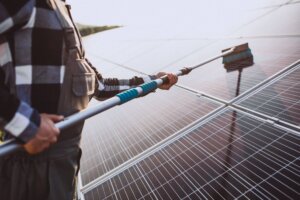
Clean solar panels monthly or as needed to remove dust, pollen, leaves, and other debris that reduces charging efficiency. Use mild soap and water, avoiding abrasive cleaners that might scratch panel surfaces.
Check and clean motion sensors periodically, as dirt or spider webs can interfere with proper detection. Verify that mounting hardware remains tight and that lights are properly positioned for both sun exposure and motion detection coverage.
Battery replacement eventually becomes necessary, typically after 3-4 years of regular use. Many solar motion lights feature user-replaceable batteries, while others require professional service or complete unit replacement.
Ready to Install Your Solar Motion Lights?
Choosing the right locations for solar motion lights requires understanding the balance between sunlight requirements and functional lighting needs. While direct sunlight isn’t always mandatory, proper positioning and adequate sun exposure are essential for reliable performance.
The key to successful solar motion light installation lies in thorough site assessment, realistic performance expectations, and selecting appropriate equipment for your specific conditions. SolarPath Sun Solutions brings nearly two decades of experience in helping property owners make these critical decisions and achieve optimal results.
A professional assessment can save time, money, and frustration by identifying potential issues before installation and recommending solutions tailored to your property’s unique conditions. Contact our experts today to discuss your solar motion lighting needs and ensure your installation delivers the security and convenience you expect.