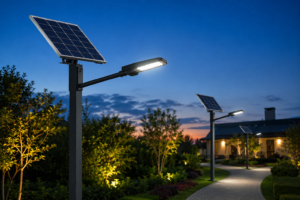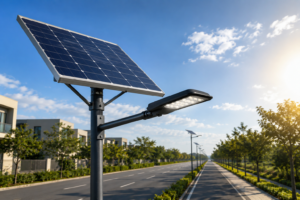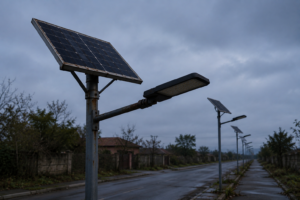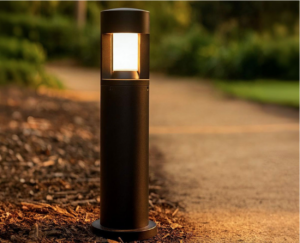
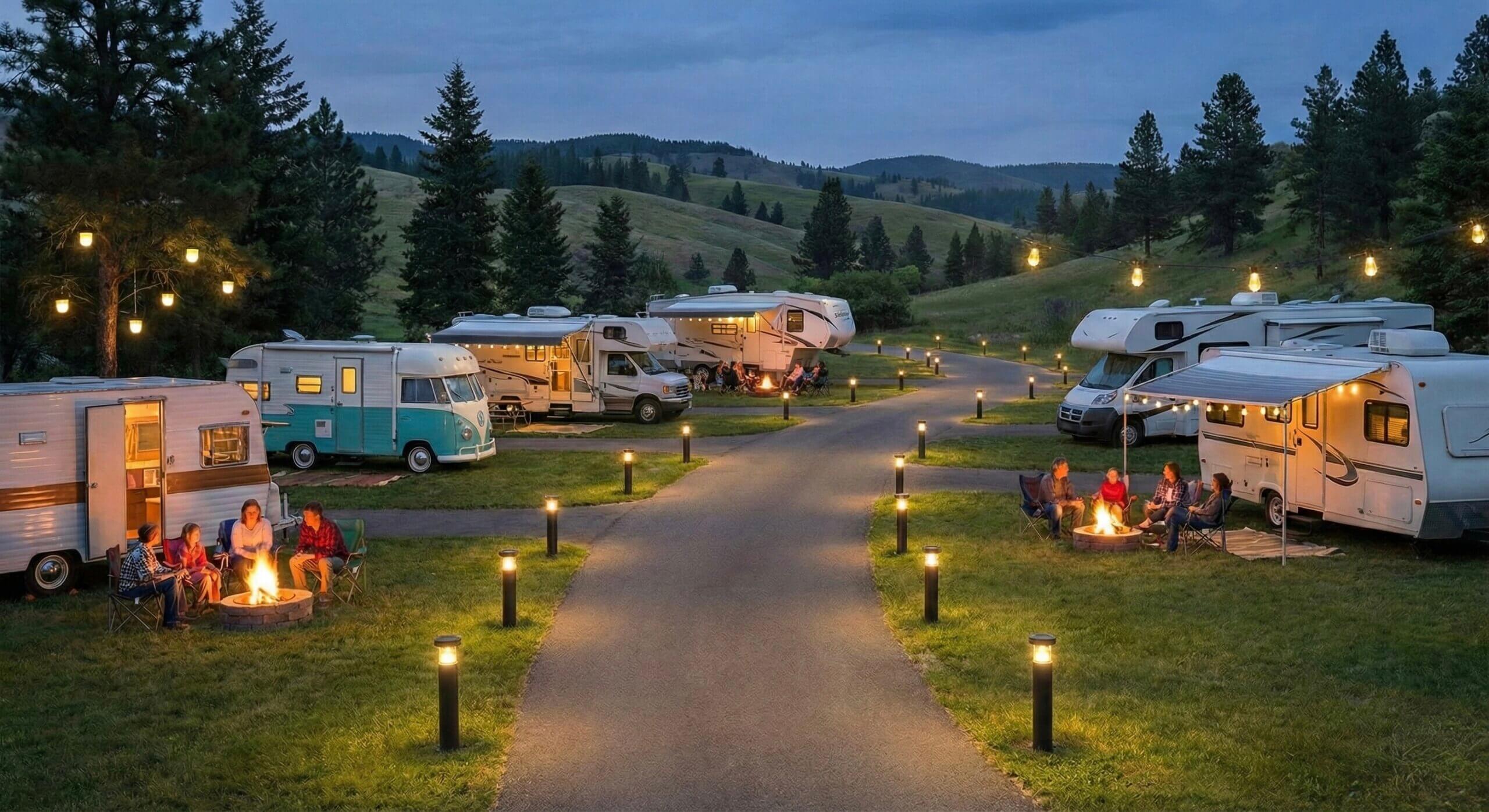
Pathway lighting designed to guide guests safely through the property
Designing outdoor lighting for RV parks and glamping resorts requires more than choosing a fixture. The right lighting plan improves safety, enhances the guest experience, and supports long-term operational efficiency.
After switching to commercial solar lighting, many campground owners discover that thoughtful design decisions make the difference between basic illumination and a truly elevated outdoor environment. Below are practical solar lighting design tips tailored specifically for RV parks and glamping sites.
Solar lighting design for RV parks plays a key role in improving safety, guest comfort, and long term operational efficiency.
Solar Lighting Design for RV Parks Starts With Guest Movement
One of the most common mistakes in outdoor lighting design is focusing on fixtures before understanding how guests move through the property.
Start by mapping:
-
Walking paths to restrooms and common areas
-
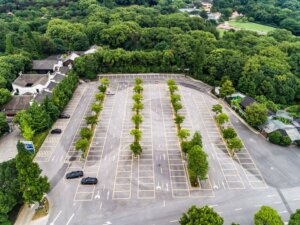
Vehicle circulation and parking zones
-
Entry points, signage, and gathering spaces
Lighting should follow natural movement patterns. When pathways and transitions are clearly illuminated, guests feel safe without the site feeling over-lit.
Layer Lighting for Comfort and Visibility
Effective lighting design uses layers rather than a single light type everywhere.
For campgrounds and glamping resorts, this typically means:
-
Lower-level lighting for pathways and trails
-
Medium height fixtures for parking and internal roads
-
Accent lighting near signage, entrances, or premium units
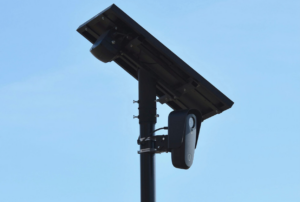
Commercial solar lighting systems allow flexible placement without trenching, making it easier to create these layers without increasing infrastructure costs.
Layer Lighting for Comfort and Visibility
Effective lighting design uses layers rather than a single light type everywhere.
For campgrounds and glamping resorts, this typically means:
-
Lower-level lighting for pathways and trails
-
Medium-height fixtures for parking and internal roads
-
Accent lighting near signage, entrances, or premium units
Commercial solar lighting systems allow flexible placement without trenching, making it easier to create these layers without increasing infrastructure costs.
Avoid Over-Lighting Natural Areas
Guests choose glamping and RV destinations to experience nature, not floodlights. Over-lighting can break the atmosphere and reduce the sense of escape.
Design tips:
-
Use warm color temperatures where possible
-
Space fixtures intentionally rather than evenly
-
Focus illumination where safety is required, not everywhere
A well designed solar lighting plan highlights key areas while preserving dark skies and natural surroundings.
Design for Reliability, Not Just Appearance
A lighting system that looks good but fails after a cloudy day quickly becomes a liability.
When planning solar lighting for campgrounds:
-
Ensure adequate battery capacity for multi-day autonomy
-
Account for partial shade from trees and structures
-
Use commercial grade systems designed for overnight performance
This is where professional commercial solar lighting solutions outperform consumer grade products, especially in remote or wooded environments.
Plan for Expansion and Flexibility
Many RV parks and glamping resorts grow over time. Lighting design should support future expansion without requiring major rework.
Solar lighting makes it easier to:
-
Add new pathways or units
-
Extend lighting to new areas
-
Adjust layouts as guest usage evolves
Modular, off grid lighting infrastructure allows properties to scale gradually while maintaining consistency in design and performance.
Connect Design to Long-Term Value
Good lighting design is not just about aesthetics. It directly impacts:
-
Guest satisfaction and reviews
-
Safety and liability exposure
-
Maintenance workload and operating costs
When paired with commercial solar lighting, smart design decisions deliver long-term value that extends well beyond the initial installation.
For properties still evaluating their options, it can be helpful to first understand the broader benefits of solar infrastructure. You can explore how many campgrounds and RV sites are making the transition to commercial solar lighting and why it is replacing traditional trenching-based solutions.
Ready to Improve Your Outdoor Lighting Design?
A successful solar lighting project starts with the right plan. Understanding guest flow, safety priorities, and future growth ensures your lighting investment delivers real results.
If you are considering upgrading or expanding your lighting infrastructure, a professional site review can help identify the most effective approach for your property.
[Request a Solar Lighting Design Review]