At SolarPath Sun Solutions, we’ve spent nearly two decades perfecting the art and science of solar-powered lighting systems. Since 2005, one question has consistently emerged from our clients: why do solar lights need batteries? The answer reveals the fascinating engineering behind reliable outdoor illumination that works 24/7.
The simple truth is that solar lights need batteries because the sun doesn’t shine all day, yet we need consistent lighting throughout the night. Batteries serve as the critical energy storage system that bridges the gap between daytime solar collection and nighttime illumination needs.
The Essential Role of Batteries in Solar Lighting Systems
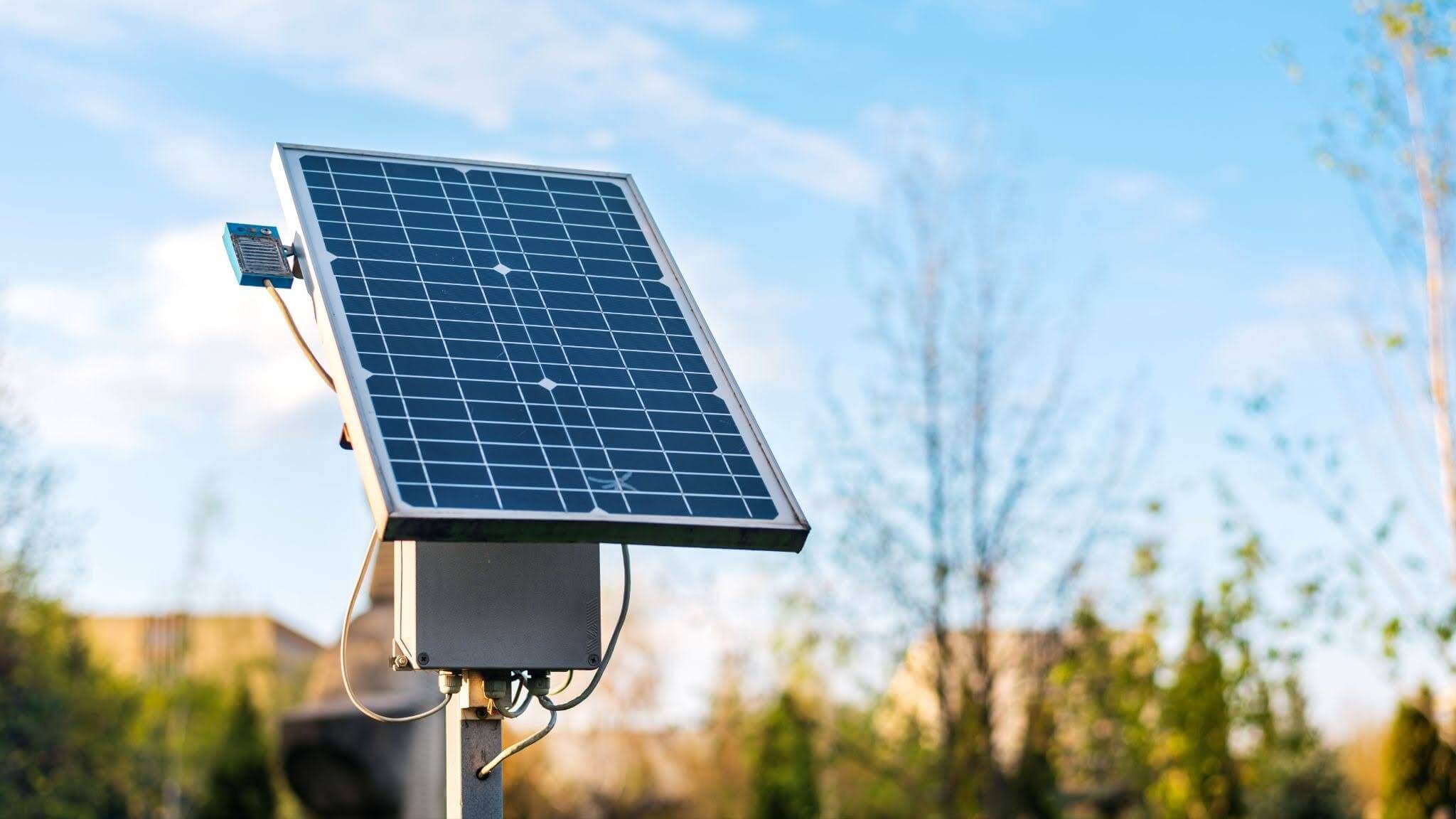
Solar lighting systems operate on a straightforward yet sophisticated principle. During daylight hours, solar panels capture sunlight and convert it into electrical energy. However, this energy generation stops when the sun sets, precisely when most outdoor lighting becomes most valuable.
Batteries solve this fundamental timing mismatch. They store the electrical energy generated during peak sunlight hours and release it steadily throughout the night to power LED lights. Without batteries, solar lights would only function during daylight when they’re least needed.
We’ve engineered thousands of solar lighting installations across North America, and every single system relies on this basic energy storage principle. From our operations in New Jersey to projects in Aventura, Florida, the battery component remains the heartbeat of reliable solar lighting performance.
How Solar Panel-Battery-LED Systems Work Together
The relationship between solar panels, batteries, and LED lights creates a self-sustaining energy ecosystem. Understanding this relationship helps explain why solar lights need batteries as their central nervous system.
During daylight, solar panels generate direct current (DC) electricity. A charge controller regulates this power flow, preventing battery overcharging while maximizing energy storage efficiency. The battery stores this DC power in chemical form for later use.
When darkness falls, an integrated controller activates the LED lights, drawing stored power from the battery. Modern LED technology requires minimal energy to produce substantial light output, making battery-powered operation highly efficient throughout the night.
This cycle repeats daily, with the battery serving as the energy reservoir that enables continuous operation. Advanced battery management systems monitor charge levels, temperature, and discharge rates to optimize performance across varying weather conditions.
| System Component | Daytime Function | Nighttime Function |
| Solar Panel | Generates electricity from sunlight | Inactive |
| Battery | Stores incoming electrical energy | Supplies power to LED lights |
| LED Light | Inactive (usually) | Converts stored battery power to illumination |
| Controller | Regulates charging and prevents overcharge | Manages power distribution and lighting activation |
Comparing Battery Technologies: Lithium-Ion vs Lead-Acid
Not all batteries perform equally in solar lighting applications. At SolarPath Sun Solutions, we’ve extensively tested various battery technologies to determine optimal performance characteristics for different outdoor environments.
Lithium-ion batteries represent the current gold standard for solar lighting systems. They offer superior energy density, longer operational lifespans, and better performance in extreme temperatures. Lithium-ion batteries typically last 8-10 years in solar lighting applications while maintaining consistent discharge rates.
Lead-acid batteries provide a more economical upfront investment but require more frequent replacement. These batteries typically last 3-5 years in outdoor solar applications and perform less efficiently in cold climates.
The choice between battery technologies depends on project-specific factors, including budget constraints, expected lifespan requirements, and environmental conditions. Our engineering team evaluates these variables to recommend the most suitable battery configuration for each installation.
| Battery Type | Typical Lifespan | Temperature Range | Energy Density | Maintenance Requirements |
| Lithium-Ion | 8-10 years | -20°F to 140°F | High | Minimal |
| Lead-Acid | 3-5 years | 32°F to 100°F | Moderate | Regular monitoring required |
Real-World Applications Across Different Solar Lighting Systems
Our extensive portfolio demonstrates how battery requirements vary across different outdoor lighting applications. Each application presents unique energy storage challenges that influence battery selection and configuration.
Solar Streetlights
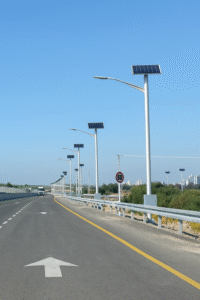
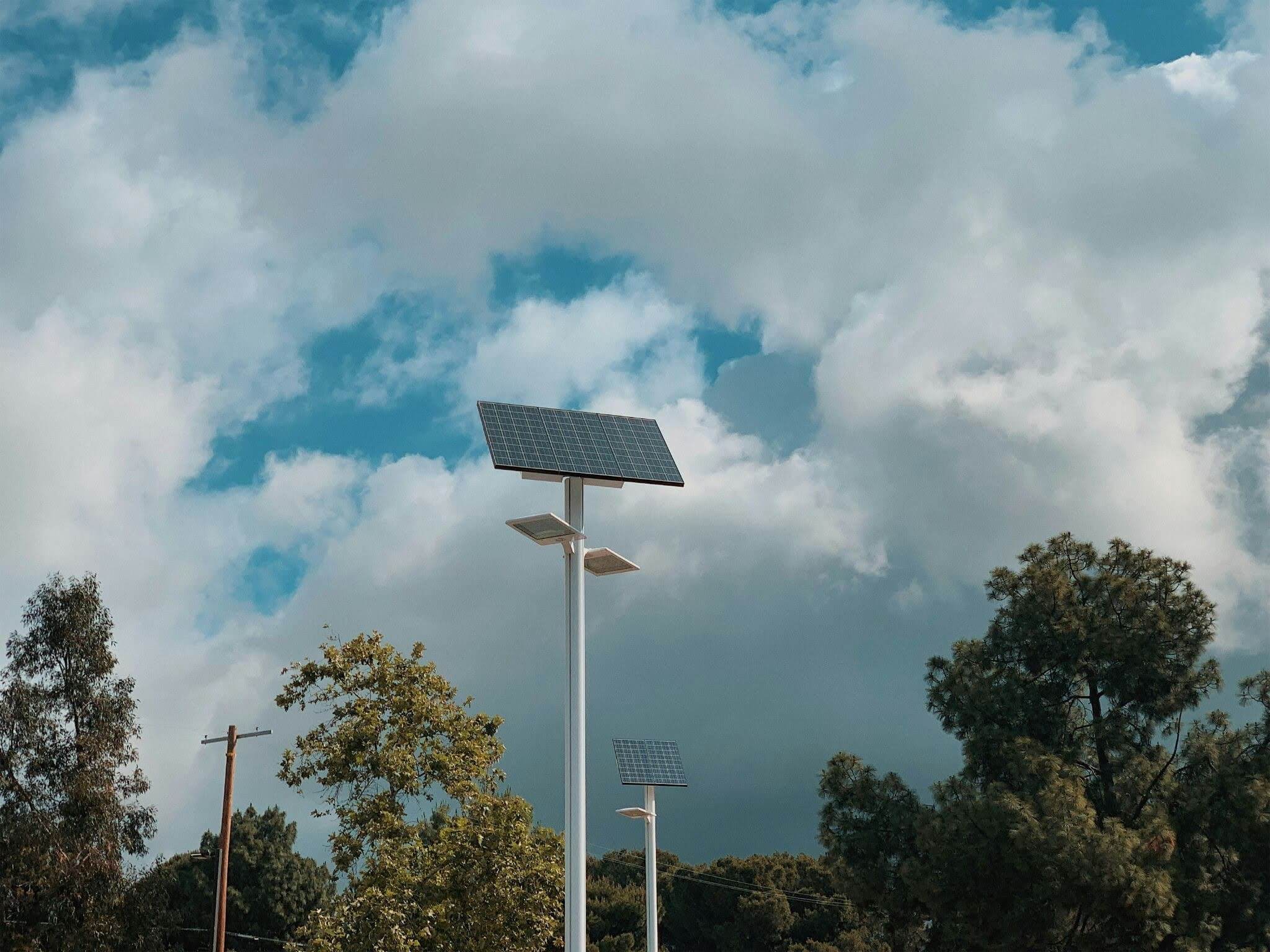
Municipal streetlighting demands consistent all-night illumination with minimal maintenance intervals. We design battery systems capable of providing 12-14 hours of continuous operation, even during extended cloudy periods.
Battery capacity for streetlights typically ranges from 100 to 200 amp-hours, depending on LED wattage and required backup days. These systems often incorporate multiple batteries working in parallel to ensure redundancy and extended operational life.
Pathway & Landscape Lighting
Pathway lighting systems require smaller battery capacities but must maintain consistent performance across seasonal daylight variations. Battery systems for pathway lights typically range from 20 to 50 amp-hours.
These applications benefit from distributed battery systems where each light fixture contains its own battery storage. This approach eliminates single points of failure while reducing installation complexity.
Parking Lot & Security Lighting
Security applications demand the highest reliability standards, often requiring 3-5 days of backup power during extended cloudy weather. Battery systems for these applications incorporate sophisticated monitoring systems that alert facility managers to potential issues before they affect lighting performance.
High-security installations often utilize lithium iron phosphate (LiFePO4) batteries for their exceptional safety characteristics and stable discharge curves throughout their operational range.
Factors Affecting Battery Performance & Longevity
Several environmental and operational factors directly impact battery performance in solar lighting systems. Understanding these factors explains why solar lights need batteries specifically engineered for outdoor applications.
Geographic Location & Climate
Northern installations face shorter winter days and longer discharge cycles, requiring larger battery capacity to maintain consistent performance. Southern installations deal with higher temperatures that can accelerate battery degradation without proper thermal management.
We customize battery configurations based on specific geographic coordinates, incorporating local weather data and seasonal sunlight variations into our capacity calculations.
Usage Patterns & Lighting Schedules
Continuous all-night operation requires different battery specifications than motion-activated or timer-controlled systems. Dusk-to-dawn applications typically need 12-14 hours of stored energy, while smart lighting systems can operate efficiently with smaller battery capacities.
Advanced lighting controllers can extend battery life by implementing dimming schedules during low-traffic periods, reducing overall energy consumption while maintaining essential illumination levels.
Seasonal Sunlight Variations
Battery systems must compensate for seasonal changes in solar energy generation. December installations in northern climates might receive only 6-8 hours of effective sunlight compared to 14-16 hours during summer months.
Our engineering team calculates worst-case scenarios for each installation, ensuring battery capacity exceeds minimum requirements during the darkest months of the year.
The Science Behind Energy Storage & Release
Batteries convert electrical energy into chemical potential energy during charging, then reverse this process during discharge.
Modern lithium-ion batteries used in our solar lighting systems operate through lithium-ion intercalation between graphite anodes and lithium metal oxide cathodes. This process enables thousands of charge-discharge cycles with minimal capacity degradation.
The battery management system (BMS) monitors individual cell voltages, temperatures, and current flow to optimize charging efficiency and prevent damage from overcharging or deep discharge conditions. Advanced BMS technology can extend battery life by 20-30% compared to basic charging systems.
Temperature compensation adjusts charging voltages based on ambient conditions, ensuring optimal charging efficiency across seasonal temperature variations. Cold weather requires higher charging voltages, while hot weather requires lower voltages to prevent battery damage.
Custom Battery Configuration Design Process
At SolarPath Sun Solutions, we don’t believe in one-size-fits-all battery solutions. Our engineering team follows a systematic approach to design optimal battery configurations for each project’s specific requirements.
Here’s our step-by-step battery design process:
- Site Assessment and Energy Calculation – We analyze geographic location, local weather patterns, and required lighting levels to determine total energy requirements.
- Load Profile Analysis – We evaluate expected usage patterns, including seasonal variations and any special operational requirements.
- Battery Technology Selection – Based on budget, performance requirements, and environmental conditions, we select the most appropriate battery chemistry.
- Capacity Sizing and Configuration – We calculate required amp-hour capacity and determine series/parallel configurations to achieve optimal voltage and capacity specifications.
- Integration with Management Systems – We specify battery management systems and monitoring capabilities appropriate for the installation’s maintenance requirements.
- Performance Validation and Testing – We conduct performance modeling and real-world testing to validate system performance before final installation.
This comprehensive approach ensures that every solar lighting installation receives a battery system optimized for long-term reliability and cost-effectiveness.
Advanced Battery Management Technologies
Modern solar lighting systems incorporate sophisticated battery management technologies that maximize performance and operational lifespan. These systems monitor battery health in real-time and adjust operational parameters to optimize performance.
- Temperature monitoring prevents battery damage from extreme weather conditions. Integrated temperature sensors trigger protective measures when batteries approach critical temperature thresholds.
- Voltage regulation maintains optimal charging and discharging voltages throughout battery operational ranges. This prevents overcharging damage and deep discharge conditions that can permanently reduce battery capacity.
- State-of-charge monitoring provides real-time battery capacity information, enabling predictive maintenance scheduling and performance optimization. Advanced systems can communicate battery status information remotely, allowing facility managers to monitor system health without physical site visits.
- Load balancing ensures even power distribution across multiple battery cells, preventing individual cell degradation that can compromise entire battery pack performance.
Environmental Considerations & Sustainability
As certified members of the International Dark-Sky Association and U.S. Green Building Council, we prioritize environmentally responsible battery technologies in all our solar lighting installations.
Modern lithium-ion batteries contain recyclable materials and last significantly longer than traditional lead-acid alternatives, reducing overall environmental impact through extended operational lifespans.
Battery recycling programs recover valuable materials, including lithium, cobalt, and nickel, for use in new battery production. This circular economy approach minimizes mining requirements for new battery materials.
Our battery selection process considers total lifecycle environmental impact, not just upfront costs. Longer-lasting batteries reduce replacement frequency and associated transportation and installation impacts.
Key Environmental Benefits:
- Reduced maintenance vehicle trips through extended battery lifespans
- Lower overall material consumption through improved battery longevity
- Recyclable battery components minimize waste stream impacts
- Zero operational emissions throughout system lifetime
- Reduced dependence on grid electricity from fossil fuel sources
Troubleshooting Common Battery-Related Issues
Common battery-related performance issues and their solutions are a great approach to battery life. Our service team has identified several recurring problems across different installation types.
- Premature battery failure often results from inadequate charging system design or extreme temperature exposure. Proper battery sizing and thermal management prevent most premature failure conditions.
- Inconsistent lighting performance typically indicates battery capacity degradation or charging system malfunctions. Regular battery capacity testing identifies developing issues before they affect lighting reliability.
- Seasonal performance variations are normal but excessive variations may indicate undersized battery systems or charging inefficiencies. Performance monitoring helps distinguish normal seasonal variations from system problems.
- Cold weather performance issues affect all battery types but can be minimized through proper battery selection and insulation strategies. Northern installations often require cold-weather battery specifications.
The Future of Battery Technology in Solar Lighting
Battery technology continues evolving rapidly, with emerging technologies promising even better performance for solar lighting applications. We stay current with these developments to offer our clients the most advanced solutions available.
- Solid-state batteries represent the next generation of energy storage technology, offering improved safety, longer lifespans, and better temperature performance. These batteries should become commercially viable for solar lighting within the next 5-7 years.
- Advanced battery chemistry developments focus on reducing rare earth material requirements while improving energy density and operational lifespans. Iron-air and sodium-ion batteries show particular promise for stationary energy storage applications.
- Smart battery integration incorporates artificial intelligence and machine learning algorithms to optimize charging and discharging patterns based on historical usage data and weather forecasting.
- Wireless monitoring systems enable real-time battery performance tracking across entire lighting networks, facilitating predictive maintenance and performance optimization at scale.
Transform Your Outdoor Space with Expert Solar Lighting Solutions
Understanding why solar lights need batteries is just the beginning of creating reliable, efficient outdoor lighting systems. At SolarPath Sun Solutions, we’ve spent nearly two decades perfecting the integration of solar panels, battery storage, and LED lighting technologies.
Our engineering expertise ensures every installation receives a custom battery configuration designed for optimal performance and longevity. Whether you’re planning municipal streetlighting, parking lot security systems, or pathway illumination, we have the experience to deliver reliable results.
Ready to explore how advanced battery technology can power your next outdoor lighting project? Contact our experts today to discuss your specific requirements and discover why proper battery selection makes all the difference in solar lighting success.