At SolarPath Sun Solutions, we’ve spent nearly two decades perfecting the science of how solar lights work. Since 2005, our team has been engineering intelligent solar lighting systems that transform yards across New Jersey and Florida using nothing more than sunlight. Understanding the technology behind these remarkable devices helps homeowners make smart decisions about their outdoor lighting needs.
Solar lights represent one of nature’s most elegant energy solutions. They capture sunlight during the day, store it efficiently, and automatically illuminate your outdoor spaces when darkness falls. This process happens seamlessly, without any connection to your home’s electrical system.
The beauty of solar lighting lies in its simplicity and independence. Once installed, these systems operate completely on their own, charging during daylight hours and providing reliable illumination throughout the night. We’ve mastered every aspect of this process, from photovoltaic panel efficiency to battery optimization and LED performance management.
The Complete Solar Light System: Four Essential Components
How solar lights work depends on four critical components working together in perfect harmony. Our engineering team has optimized each element to ensure maximum performance and longevity.
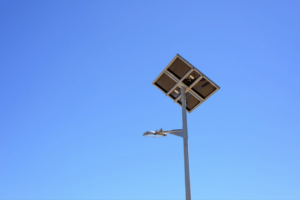
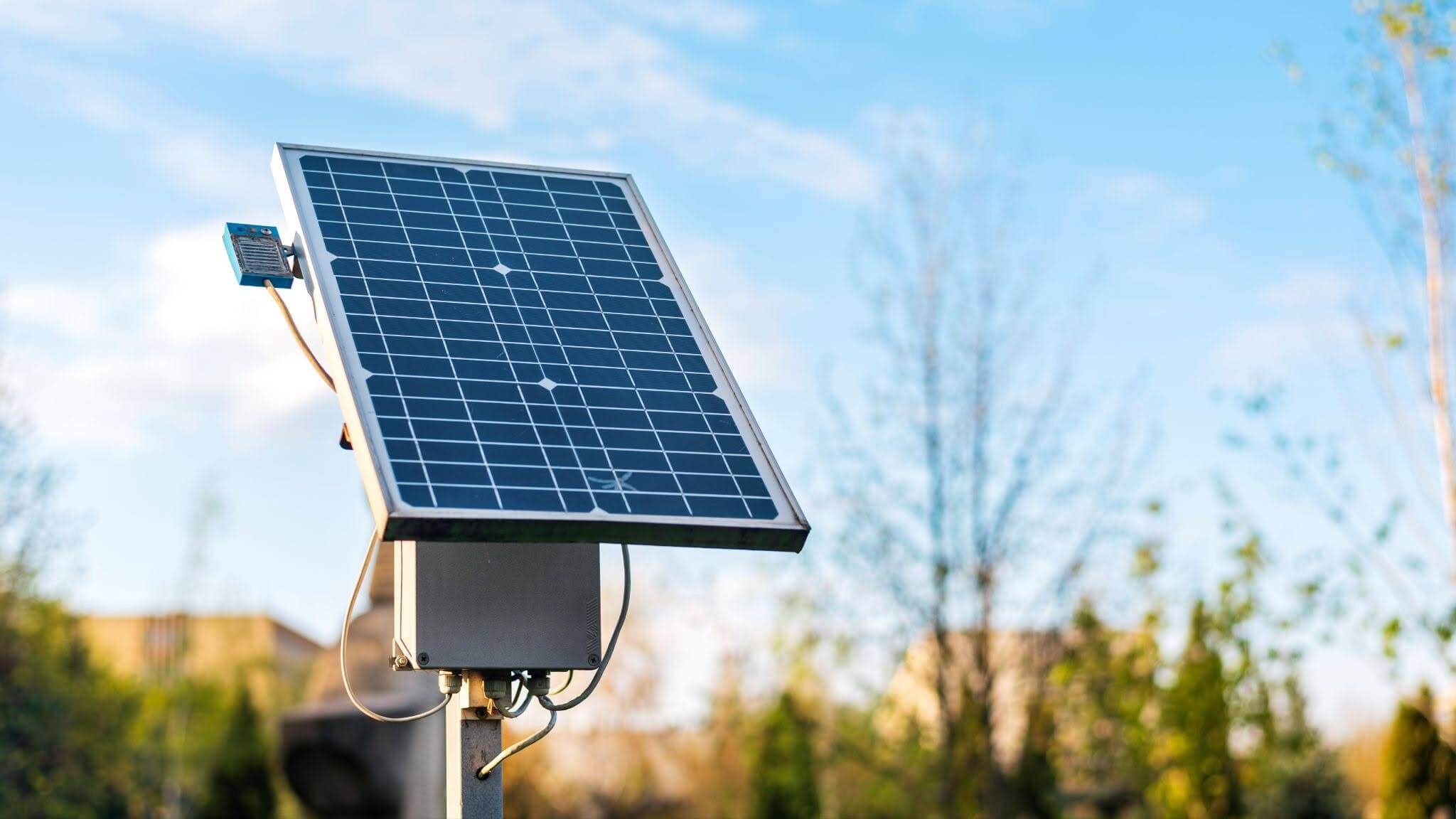
- Photovoltaic cells form the heart of any solar lighting system. These specialized panels convert sunlight directly into electrical energy through the photovoltaic effect. When sunlight strikes the silicon cells, it knocks electrons loose, creating an electrical current that powers your lights.
- Battery storage systems capture and hold the energy collected during daylight hours. Modern solar lights use advanced lithium-ion or nickel-metal hydride batteries that can store significant amounts of power for extended nighttime operation.
- Automatic light sensors determine when to activate your solar fixtures. These photoresistive components detect ambient light levels and trigger the LED system when darkness approaches, ensuring your lights turn on precisely when needed.
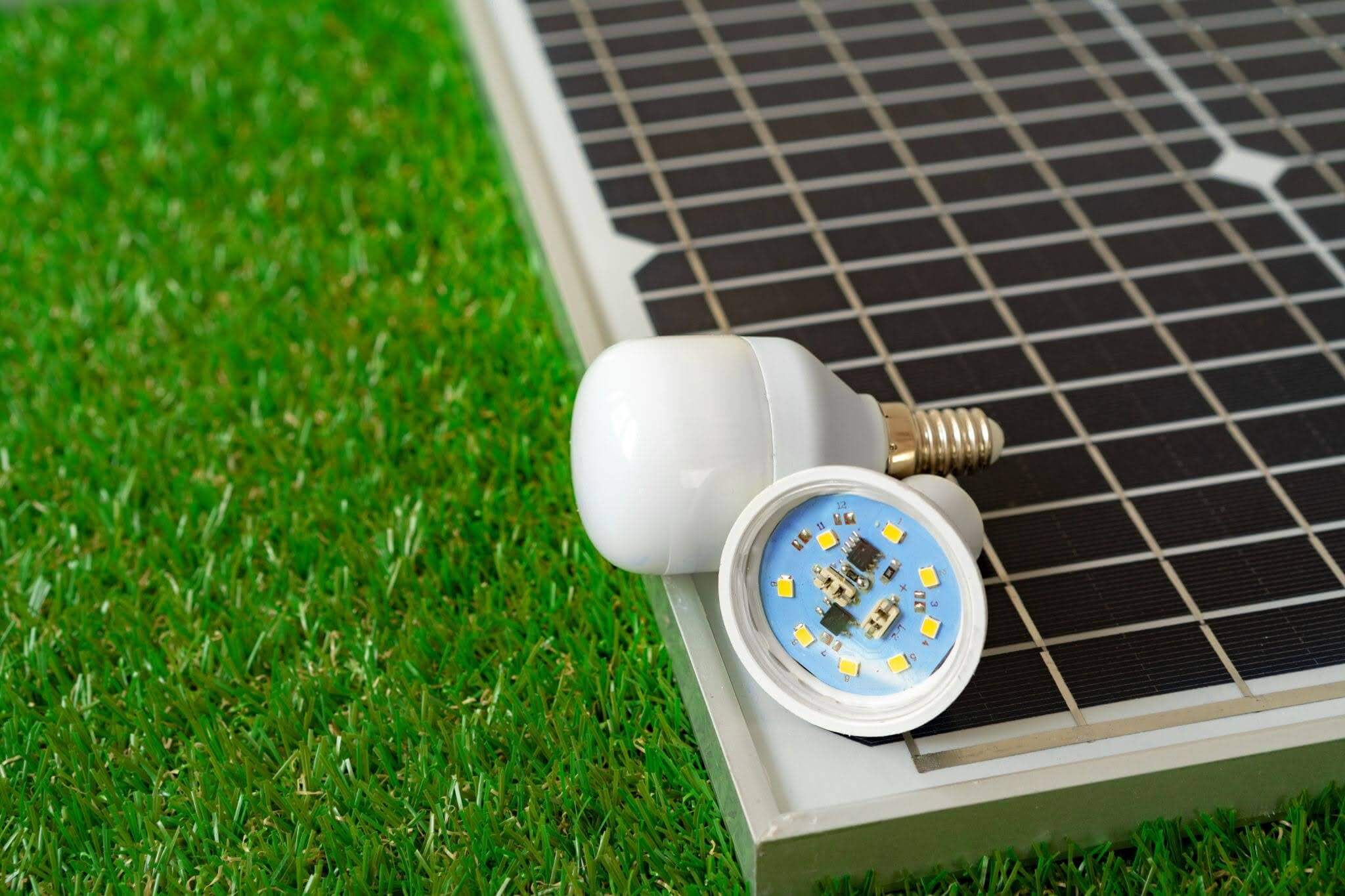
- LED lighting arrays provide the actual illumination using minimal energy. Light-emitting diodes consume far less power than traditional bulbs while producing bright, focused light that can last for decades.
The Science Behind Photovoltaic Energy Collection
Understanding how solar lights work starts with photovoltaic technology. Our solar panels use crystalline silicon cells that convert sunlight into electricity through a fascinating physical process.
When photons from sunlight strike the silicon surface, they transfer their energy to electrons within the material. This energy boost allows electrons to break free from their atomic bonds, creating an electrical current. The stronger the sunlight, the more electrons are freed, generating greater electrical output.
Different weather conditions affect energy collection in predictable ways. Direct sunlight produces maximum power generation, while cloudy conditions reduce output by 10-25%. Even on overcast days, however, solar panels continue collecting usable energy.
Panel positioning significantly impacts energy collection efficiency. We angle our solar panels to capture maximum sunlight throughout the day, accounting for seasonal sun path variations and local geographic conditions.
| Weather Condition | Energy Collection Rate |
| Direct Sunlight | 100% |
| Partly Cloudy | 75-90% |
| Overcast | 25-50% |
| Heavy Rain/Snow | 5-15% |
Temperature also affects photovoltaic performance. Contrary to common belief, solar panels actually work more efficiently in cooler temperatures. While they need sunlight to generate power, excessive heat can reduce their electrical output.
Advanced Battery Storage and Energy Management
Battery technology forms the backbone of effective solar lighting systems. We use high-capacity storage solutions that maximize energy retention and provide consistent power output throughout the night.
- Lithium-ion batteries offer superior performance compared to older technologies. They charge faster, hold more energy, and maintain their capacity through thousands of charge cycles. These batteries also perform better in cold weather conditions.
- Nickel-metal hydride batteries provide reliable service at lower cost points. While they don’t match lithium-ion performance, they still deliver years of dependable operation in most solar lighting applications.
Battery management systems prevent overcharging and deep discharge cycles that can damage storage cells. Our intelligent controllers constantly monitor battery voltage, adjusting charging rates and cutting off power when necessary to extend battery life.
Energy efficiency during storage matters tremendously. High-quality batteries lose only 2-5% of their stored energy per month, while lower-grade alternatives can lose 20% or more. We select components that minimize these losses.
Automatic Activation: Light Sensors and Smart Controls
The magic of solar lights includes their ability to turn on automatically at dusk. This functionality relies on sophisticated light-sensing technology that we’ve refined over years of engineering experience.
- Photoresistive sensors measure ambient light levels continuously throughout the day and night. As daylight fades, these sensors detect the decreasing illumination and signal the control system to activate the LED lights.
- Programmable controllers allow for customized operation schedules. Some systems can be set to operate only during specific hours, conserve battery power by dimming after midnight, or provide motion-activated brightness boosts for security applications.
- Smart sensors in advanced systems can distinguish between natural darkness and temporary shadows. This prevents lights from turning on unnecessarily when clouds pass overhead or when large objects temporarily block sunlight.
The sensitivity threshold for light activation can be adjusted based on specific needs. Security lighting might activate earlier in the evening, while decorative pathway lights might wait until full darkness to begin operation.
LED Performance and Illumination Technology
LED technology revolutionized how solar lights work by dramatically reducing power consumption while improving light quality. Our fixtures use carefully selected LED arrays optimized for solar power applications.
- Light output efficiency measures how much illumination you get per watt of power consumed. Modern LEDs produce 80-100 lumens per watt, compared to just 10-15 lumens per watt from traditional incandescent bulbs.
- Color temperature selection affects both ambiance and energy consumption. Warm white LEDs (2700K-3000K) create inviting pathway lighting, while cool white options (4000K-5000K) provide better security illumination.
- Beam angle control focuses light exactly where needed, reducing waste and improving efficiency. Narrow beam angles work well for accent lighting, while wider distributions suit pathway and area illumination.
LED lifespan typically exceeds 25,000-50,000 hours of operation. This means your solar lights can provide reliable service for 10-20 years without requiring bulb replacements.
| LED Type | Lumens per Watt | Typical Lifespan | Best Applications |
| Warm White (2700K) | 80-90 | 30,000 hours | Pathways, Gardens |
| Cool White (4000K) | 90-100 | 35,000 hours | Security, Areas |
| Daylight (5000K) | 85-95 | 40,000 hours | Task, Commercial |
Practical Applications for Your Outdoor Space
Real-world applications depend on matching the right technology to specific lighting needs. We’ve developed specialized solutions for different outdoor environments over our 19 years of experience.
- Pathway lighting requires consistent, low-level illumination that guides foot traffic safely. These systems typically operate 6-8 hours nightly using compact battery systems and efficient LED arrays. Proper spacing every 6-8 feet ensures adequate coverage without light pollution.
- Security illumination demands brighter output and motion-sensing capabilities. These fixtures often include PIR sensors that detect movement and trigger high-intensity lighting. Battery systems must support both standby operation and high-power activation periods.
- Decorative yard fixtures balance aesthetics with functionality. These lights might include colored LEDs, artistic housing designs, or programmable operation modes. Energy management becomes critical since decorative features can increase power consumption.
- Area lighting covers larger spaces like driveways, patios, or garden areas. These systems require more powerful solar panels and battery capacity to support higher light output over extended periods.
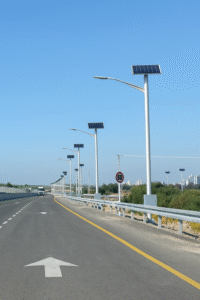
Solar lighting works independently from electrical grids, making installation simple and flexible. You can place fixtures anywhere with adequate sun exposure without running electrical cables or hiring electricians.
Installation Considerations for Maximum Performance
Proper installation determines how solar lights work in your specific environment. Our engineering team has identified key factors that significantly impact system performance and longevity.
- Solar panel positioning should maximize daily sun exposure
- Shade assessment identifies potential obstructions throughout the year
- Battery compartment protection prevents moisture and temperature damage
- Fixture spacing ensures adequate illumination coverage
- Seasonal adjustments account for changing daylight patterns
- Maintenance access allows for easy cleaning and service
Sun exposure analysis reveals the best locations for solar fixtures. Areas receiving 6-8 hours of direct sunlight daily provide optimal charging conditions. Even locations with 4-6 hours can work well with properly sized battery systems.
Seasonal considerations affect solar light performance throughout the year. Winter months provide less daylight and weaker sun angles, requiring robust battery capacity to maintain consistent nighttime operation.
Ground conditions impact installation methods and fixture stability. Well-draining soil prevents water damage, while rocky or clay soils might require different mounting approaches.
Common Issues & Professional Troubleshooting
Understanding how solar lights work helps identify and resolve performance issues quickly. We’ve encountered virtually every possible problem during our years of service and developed proven solutions.
Reduced light output often indicates battery degradation or dirty solar panels. Cleaning the photovoltaic surface with mild soap and water can restore full charging capacity. Battery replacement might be necessary after 3-5 years of operation.
Intermittent operation suggests loose connections or moisture infiltration. Check all electrical connections for corrosion and ensure battery compartments remain sealed against weather.
Shortened operating time typically results from insufficient charging due to shade, dirty panels, or aging batteries. Assess the installation location for new obstructions and clean all surfaces regularly.
Failure to activate at dusk indicates light sensor problems or complete battery failure. These sensors can be cleaned gently, but replacement might be necessary if damage has occurred.
Here are the most effective troubleshooting steps we recommend:
- Clean solar panels monthly with a soft cloth and mild detergent
- Check battery connections for corrosion or looseness
- Verify adequate sun exposure throughout the charging period
- Test light sensors by covering them briefly after dark
- Replace batteries every 3-5 years, depending on usage patterns
- Inspect fixture housings for cracks or moisture infiltration
Environmental Benefits and Energy Independence
Solar lights align perfectly with sustainable living practices and environmental responsibility. As certified members of the International Dark-Sky Association and U.S. Green Building Council, we design systems that minimize environmental impact.
Carbon footprint reduction happens immediately when you switch to solar lighting. These systems produce zero operational emissions while providing years of reliable service. Over their lifetime, solar lights offset far more carbon than their manufacturing process creates.
Grid independence eliminates ongoing electricity costs and reduces demand on power generation systems. Your outdoor lighting operates completely free from utility companies, immune to power outages and rate increases.
Light pollution control protects natural nighttime environments while providing necessary illumination. Our fixtures direct light downward where needed rather than scattering it into the sky, where it disrupts wildlife and astronomy.
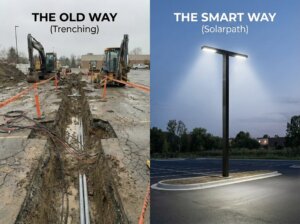
Resource conservation extends beyond energy savings to include reduced infrastructure requirements. Solar lighting eliminates the need for electrical trenching, conduit installation, and ongoing maintenance of wired systems.
Technology Evolution and Future Innovations
Our nearly two decades of experience with solar lights has taught us that this technology continues advancing rapidly. New developments promise even better performance and broader applications.
- Smart connectivity allows solar lights to communicate with home automation systems and smartphones. You can monitor performance, adjust settings, and receive maintenance alerts remotely.
- Enhanced battery chemistry provides longer life and better cold-weather performance. New lithium technologies maintain capacity through even more charge cycles while operating in extreme temperatures.
- Improved photovoltaic efficiency means smaller panels can collect more energy. Advanced silicon processing and new materials increase conversion rates while reducing manufacturing costs.
- Artificial intelligence integration optimizes energy management automatically. Smart controllers learn usage patterns and adjust operation to maximize battery life and light output.
Ready to Transform Your Outdoor Space?
After 19 years of perfecting solar lights, SolarPath Sun Solutions stands ready to illuminate your property with intelligent, sustainable lighting technology. Our US-based engineering team provides detailed photometric analysis and custom designs that optimize energy collection, storage, and distribution for maximum nighttime performance.
We understand that every yard presents unique challenges and opportunities. Our comprehensive approach considers your specific sun exposure, aesthetic preferences, and functional requirements to create lighting solutions that work reliably year after year.
Our team has mastered every aspect of solar lighting technology. This expertise ensures your investment delivers consistent, eco-friendly illumination that enhances both security and beauty.
Contact us today to discover how our solar lighting solutions can brighten your outdoor spaces while reducing your environmental footprint and eliminating ongoing electricity costs.