
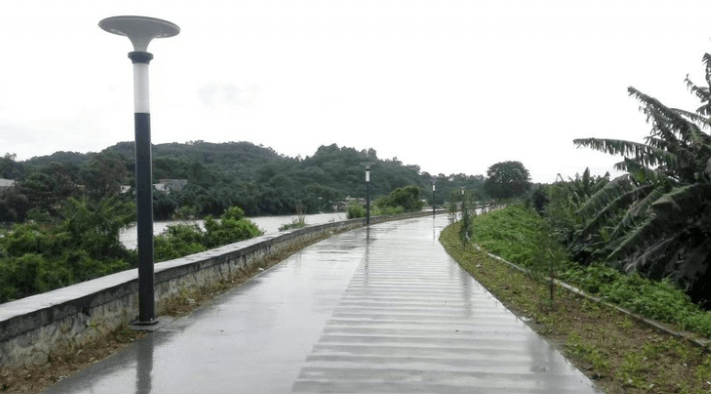
When severe storms or flooding hit, one of the first things to fail is the power grid. Streets, parks, and public areas go dark, creating safety risks and delaying recovery efforts. SolarPath’s off-grid lighting systems stay operational during disasters, providing immediate, reliable lighting when communities need it most.
Can Solar Lighting Help After a Flood?
When cities face flooding or hurricanes, grid-powered lights often shut down for days or weeks. Off-grid solar lighting continues working independently, making it a dependable option for storm recovery.
Is solar lighting a reliable option after floods?
Yes. Solar lighting remains operational because it doesn’t rely on underground wiring or the local utility grid. Cities across the US now use it to maintain safety, visibility, and continuity during emergencies.
Why Traditional Lighting Fails in Disasters
Traditional wired systems are vulnerable because:
• They depend on underground wiring that floods can damage
• Repairs can take weeks or even months
• Restoring grid access often requires crews, permitting, and budgeting
• Many storm-hit areas lack power long after roads reopen
Benefits of Solar Lighting in Post-Flood Environments
Rapid Deployment
No trenching, no electrical work, and no grid connection. Solar lighting can be installed in days – even during active emergency response.
Grid-Independent Operation
Solar + battery storage means lights stay on regardless of utility failures.
Reliable Illumination
Lights remain operational during storms and outages, helping keep shelters, streets, and staging areas safe.
Improved Safety & Visibility
Well-lit spaces deter crime, reduce injuries, and help first responders navigate flooded zones.
Long-Term Investment
Solar systems continue working long after recovery, offering value for years.
Where to Use Solar Lighting After Floods
• Temporary shelters or staging areas
• Damaged parks, trails, or parking lots
• Evacuation routes and signage
• Low-lying or flood-prone zones
• Public housing or mobile clinics
These solutions often qualify for FEMA recovery plans, resilience grants, or local emergency budgets.
Why Cities Trust SolarPath for Post-Storm Projects
At SolarPath, we help cities deploy resilient solar lighting systems before, during, and after severe weather.
We provide:
• Fast-deploy solutions for emergency lighting
• Durable, weather-resistant systems tested for extreme conditions
• Technical documentation for FEMA or grant funding
• Turnkey installation and nationwide support
Whether you’re preparing for storm season or recovering from recent damage – we’re here to help.
Need a Lighting Plan for Flood Recovery?
Let’s create a free solar lighting plan tailored to your recovery site – no obligation, fast turnaround.
👉 Request a Flood Recovery Lighting Plan
📞 Talk to a SolarPath Emergency Projects Specialist
Frequently Asked Questions
Q1: Can solar lights survive a flood?
Yes – the pole and fixture are above ground, and high-quality units are sealed and weather-resistant. We also offer elevated battery enclosures.
Q2: How fast can solar lights be installed after a storm?
In many cases, we can deploy and install units within 5–10 business days.
Q3: Is funding available for solar lighting in disaster areas?
Often yes. FEMA, HUD, and state programs support resilient infrastructure. We’ll help you identify potential options.